
About US
 Securing loans and financing is essential for businesses and individuals aiming to fund ventures, expand operations, or make significant purchases. Presenting comprehensive and accurate financial documentation is crucial in this process. This article highlights the importance of financial documentation, detailing required documents like income statements, balance sheets, cash flow statements, tax returns, bank statements, and a business plan. These documents provide lenders with a clear view of financial health and creditworthiness, aiding in risk assessment and ensuring repayment capacity. Accurate bookkeeping, professional presentation, current information, transparency, and detailed explanations are vital for effective preparation. Utilizing services like payroll management and bill payment further strengthens financial documentation, improving the chances of loan approval and fostering better financial management.
The Importance of Financial Documentation
 Financial documentation plays a pivotal role in the process of securing loans and financing. It provides lenders with a clear and transparent view of an applicant’s financial health and creditworthiness, which are critical factors in the decision-making process. These documents allow lenders to assess the risk involved in lending money and ensure that the borrower has the capacity to repay the loan.
Proper financial documentation includes a variety of essential documents, such as income statements, balance sheets, tax returns, and bank statements. These documents collectively offer a comprehensive picture of a business or individual’s financial situation, enabling lenders to make informed decisions. Accurate record-keeping is fundamental to this process, ensuring that all financial records are meticulously maintained and reflect true financial performance.
The importance of financial documentation cannot be overstated. It not only provides a snapshot of current financial health but also demonstrates the borrower’s commitment to transparency and responsible financial management. This instills confidence in the lender, significantly increasing the chances of loan approval. Lenders are more likely to approve loans for applicants who present well-organized, accurate, and comprehensive financial documents, as it reduces their perceived risk.
Proper financial documentation is not just about securing loans; it also contributes to better financial management and planning for the future. By maintaining accurate records and regularly reviewing financial documents, businesses and individuals can make more informed decisions, plan strategically, and ensure long-term financial stability. Integrating comprehensive services like CFO support can further solidify financial standing and readiness for securing financing, ultimately leading to greater success and sustainability in financial endeavors.
Key Financial Documents Required for Securing Loans and Financing
 Securing loans and financing is a critical aspect of running and expanding a business. One of the most important steps in this process is presenting comprehensive and accurate financial documentation to potential lenders. Financial documentation provides lenders with a transparent view of a business’s financial health and creditworthiness, allowing them to assess the risk and make informed decisions about lending. Here, we delve into the key financial documents required for securing loans and financing, explaining their importance and how they contribute to a successful loan application.
Income Statements (Profit and Loss Statements)
 Definition and Purpose: Income statements, also known as profit and loss (P&L) statements, provide a detailed account of a business’s revenues, expenses, and profits over a specific period, typically monthly, quarterly, or annually. These statements are crucial as they help lenders evaluate the profitability and operational efficiency of a business.
Components:
- Revenue: The total amount of money earned from sales or services.
- Cost of Goods Sold (COGS): Direct costs attributable to the production of goods sold by the company.
- Gross Profit: Revenue minus COGS.
- Operating Expenses: Costs required to run the business, such as rent, utilities, salaries, and marketing.
- Operating Income: Gross profit minus operating expenses.
- Net Income: The final profit after all expenses, including taxes and interest, have been deducted from revenue.
Importance for Lenders: Lenders use income statements to assess whether a business is generating sufficient revenue to cover its expenses and still make a profit. A consistent profit margin indicates financial health and reduces the perceived risk for lenders. Conversely, irregular or declining profits may raise concerns about the business’s sustainability and ability to repay the loan.
Balance Sheets
 Definition and Purpose: A balance sheet provides a snapshot of a business’s financial position at a specific point in time, detailing its assets, liabilities, and equity. This document is essential for understanding the overall financial stability and liquidity of the business.
Components:
- Assets: Resources owned by the business that have economic value, such as cash, inventory, equipment, and real estate.
- Liabilities: Obligations or debts that the business owes to others, including loans, accounts payable, and mortgages.
- Equity: The owner’s interest in the business, calculated as assets minus liabilities.
Importance for Lenders: Lenders analyze balance sheets to determine the business’s ability to meet its short-term and long-term obligations. A healthy balance sheet with more assets than liabilities indicates financial stability, making the business a safer bet for lenders. Additionally, the equity section shows how much of the company is owned outright, which can affect lending decisions.
Cash Flow Statements
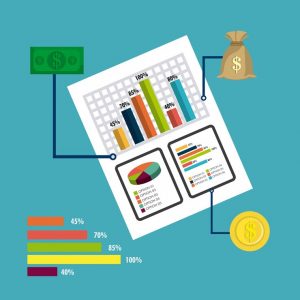 Definition and Purpose: Cash flow statements track the movement of money in and out of the business over a specific period. This document is crucial for understanding the business’s liquidity and its ability to generate funds to meet its obligations.
Components:
- Operating Activities: Cash generated or used in the core business operations, such as sales revenue and payments to suppliers and employees.
- Investing Activities: Funds used for or generated from investments in assets, such as purchasing equipment or selling property.
- Financing Activities: Movements related to borrowing and repaying loans, issuing stock, or paying dividends.
Importance for Lenders: Lenders use these statements to assess whether the business generates enough funds from its operations to cover its debts and other financial obligations. Positive figures from operating activities indicate that the business can sustain itself and repay loans. Negative figures, especially if consistent, may signal financial trouble and affect loan approval.
Tax Returns
 Definition and Purpose: Tax returns are official documents filed with tax authorities, detailing the income, expenses, and other pertinent financial information of the business or individual. These returns provide an overview of the financial history and compliance with tax regulations.
Components:
- Income: Total revenue reported for tax purposes.
- Deductions: Expenses and allowances that reduce taxable income.
- Taxable Income: Income subject to taxation after deductions.
- Tax Paid: Amount of tax paid based on taxable income.
Importance for Lenders: Lenders review tax returns to verify the income reported on financial statements and ensure that the business is compliant with tax laws. Consistent and accurate tax filings reflect well on the business’s financial management practices. Discrepancies or irregularities in tax returns can raise red flags and potentially derail the loan approval process.
Bank Statements
 Definition and Purpose: Bank statements provide a record of all transactions in and out of the business’s bank account over a specific period, typically monthly. These statements offer a real-time view of the business’s cash reserves and daily financial activities.
Components:
- Deposits: Money added to the account, including sales revenue and loan proceeds.
- Withdrawals: Money taken out of the account, such as payments to suppliers, payroll, and operating expenses.
- Balances: The amount of money available in the account at the beginning and end of the statement period.
Importance for Lenders: Lenders use bank statements to verify the business’s financial activity and ensure that it has sufficient reserves to manage day-to-day operations and unexpected expenses. A healthy, positive balance indicates good cash management, while frequent overdrafts or low balances may suggest financial instability.
Business Plan
 Definition and Purpose: A business plan is a comprehensive document outlining a business’s goals, strategies, and market analysis. It provides a roadmap for the business’s future direction and growth, detailing how it plans to achieve its objectives.
Components:
- Executive Summary: A brief overview of the business and its objectives.
- Company Description: Detailed information about the business, including its history, structure, and products/services.
- Market Analysis: Research on the industry, target market, and competitors.
- Organization and Management: Information on the business’s organizational structure and management team.
- Marketing and Sales Strategies: Plans for attracting and retaining customers.
- Financial Projections: Forecasts of revenue, expenses, and profitability, including projected income statements and balance sheets, provide insights into future financial performance.
Importance for Lenders: Lenders review these documents to understand the business’s vision and strategy for achieving its goals. A well-prepared document shows that the business owner has thoroughly researched the market, developed a sound strategy, and planned for the future. Projections provide insight into the business’s expected performance, helping lenders assess the feasibility and potential return on investment. This thorough preparation increases the likelihood of securing financing.
Tips for Preparing Financial Documentation
 Preparing financial documentation meticulously is crucial for securing loans and financing. Here are essential tips to ensure your financial documents meet lenders’ expectations:
- Accuracy and Consistency: Ensure all financial documents, such as bookkeeping records, are accurate and consistent. Errors or discrepancies can raise red flags for lenders, potentially jeopardizing your loan application. Regularly reconcile accounts and verify all entries to maintain precise records.
- Professional Presentation: Present financial documents in a professional and organized manner. Using accounting software can streamline the preparation process, ensuring documents are clear and well-structured. Alternatively, consider hiring a professional accountant to prepare and review your financial statements, enhancing their credibility.
- Up-to-Date Information: Provide the most recent financial information. Outdated documents can misrepresent your current financial status, leading to incorrect assessments by lenders. Regularly update your financial records and ensure all recent transactions are accurately recorded.
- Transparency: Be transparent about any financial challenges or irregularities. Lenders appreciate honesty and proactive communication. Clearly explain any issues or unusual transactions in your financial documents, providing context and showing that you are managing challenges responsibly.
- Detailed Explanations: Include detailed explanations and notes for significant financial data, unusual transactions, or large expenses. These notes help lenders understand the context behind the numbers, making your financial situation clearer and more comprehensible. Highlight any strategic investments, changes in expenses, or unique financial events that may impact your financial statements.
The Role of Additional Financial Services
 Utilizing financial services like payroll management and bill payment can significantly enhance your financial documentation. Efficient bookkeeping and budgeting practices ensure that all financial records are meticulously maintained, offering lenders a transparent view of the business’s financial health. These services help keep track of cash flow, manage expenses, and ensure timely financial reporting. Preparing thorough financial projections and annual returns as part of the incorporation process showcases long-term planning and stability. These detailed documents demonstrate the business’s strategic approach and future growth potential, instilling confidence in lenders. By integrating these additional financial services, businesses can present a robust financial profile, improving their chances of securing loans and financing while fostering sound financial management and planning for sustainable growth.
Final Thoughts
 Financial documentation is crucial for securing loans and financing. Meticulously preparing these documents enhances borrowers’ credibility and increases their chances of obtaining funds. Proper financial documentation facilitates loan approval and contributes to better financial management and future planning. Essential documents include income statements, balance sheets, tax returns, bank statements, and a business plan. Accurate record-keeping and professional presentation are vital. Integrating comprehensive services like CFO support can further solidify your financial standing, making you more prepared for securing financing. These practices not only improve loan approval odds but also ensure sound financial health and strategic planning. By maintaining detailed and organized financial records, businesses and individuals can make informed decisions, strategically plan for the future, and demonstrate long-term stability and reliability to potential lenders.
Contact us today to transform your financial documentation into a powerful tool that boosts your credibility and maximizes your chances of securing the financing you need.
[gravityform id=”4″ title=”true” description=”true” ajax=”true”]
 Welcome to ‘Loop,’ a revolutionary platform transforming traditional banking into a seamless, integrated financial journey. It’s not just about transactions; it’s about personal guidance and empowerment, offering everything from savings to investments on one platform. This innovation breaks down financial barriers, creating a cohesive ecosystem for your finances, where every decision is interconnected. Loop adapts to your needs, providing personalized insights for every financial goal, from vacations to retirement. Say goodbye to traditional banking complexities and embrace the future with Loop, your companion in financial well-being.
Core Product Offering:
1. Bank Accounts
Loop offers free business bank accounts in CAD, USD , EUR and GBP.
- The accounts are free to open and free to keep open with no minimum balance
thresholds or caps on usage. - These are real bank accounts where customers funds are held with regulated financial
institutions in the customer’s name (not Loop’s). - Our Canadian and our US accounts are insured by CDIC and FDIC respectively
- All accounts are domiciled locally. This means that a Canadian corporation can bank
like a local abroad without having to incorporate locally. - This enables sending and receiving payments like a local business in the respective
country removing cross border fees and international payment processing times.
2. Foreign Exchange
Loop offers affordable simple to use FX services for businesses.
- Using Loop, a client can convert currency between accounts with a couple of clients, in
real time. - Loop rates are transparent and fixed (e.g. not forcing customer to commit to minimum
thresholds to lock in rates). - FX rates are stated as margin on the interbank rate (see info on subscription plans
under pricing section):
i. Free subscription – 0.5%
ii. Plus subscription – 0.25%
iii. Power subscription 0.1%
3. Credit Cards
Loop offer corporate credit cards with smart spend management software. Apply now
- Customers can create multiple virtual cards or physical credit cards for free.
- Cards are multi-currency, meaning a business can accumulate and pay off balances in
different currencies – eliminating FX fees. - Loop makes capturing and managing receipts simple.
- Loop allows you to push transactions to accounting software platforms for
reconciliation. - Loop allows a business to control spend by managing access to cards, setting
individual limits and enabling approval workflows for expenses.
4. Payments
Loop allows you to send payments for free internationally and domestically.
- Send payments from Loop accounts or external bank accounts to suppliers or business
partners globally. - Loop supports EFT, ACH, SEPA and SWIFT payments.
- The payment is free unless in involves a currency conversion.
- If the payment involves a currency conversion, Loop is using the same FX rate as the
customer receives in internal conversions (see section 2).
5. Working Capital
Loop offer businesses competitive flexible working capital solution
- Businesses can access lines of credit, term loans and purchase order financing through
Loop.
Pricing (details here)
Loop uses a freemium model. Signing up, and keeping the account open, is free. The customer can
upgrade to unlock lower FX rates or to uncap the amount of credit cards they can create.
- Loop Free – $0/month
- Loop Plus – $49/month
- Loop Power – $199/month
Integration Across Financial Services:

In the rapidly evolving financial landscape, ‘Loop’ emerges as a beacon of innovation, seamlessly merging traditional banking functions with investment, payment processing, and advisory services into a singular, user-friendly platform. This revolutionary approach not only simplifies the financial management process by consolidating various services into one accessible interface but also eradicates the inefficiency of managing multiple accounts across different platforms. By offering a centralized hub for all financial activities, Loop enables users to navigate their financial journey with unprecedented ease and efficiency, whether it’s for personal money management or business financial operations.
 For individuals, Loop is a gateway to enhanced financial autonomy, offering tools for meticulous expense tracking, budgeting, savings optimization, and investment management. Businesses, particularly small and medium-sized enterprises, find in Loop a powerful ally for streamlining complex financial tasks such as payroll processing, client invoicing, and cash flow management. Additionally, Loop’s tailored advisory services provide valuable insights and strategic guidance, empowering users to make informed financial decisions. This integrated approach not only benefits end-users and businesses but also fosters a collaborative environment within the financial ecosystem, encouraging innovation, interoperability, and the development of comprehensive financial solutions.
Real-Time Data Sharing:

‘Loop’ revolutionizes financial data sharing by leveraging advanced technologies like APIs and blockchain, creating a robust infrastructure for instantaneous data exchange among financial institutions and service providers. This innovation allows users to access real-time financial information and transactions, transforming the management and utilization of financial data. APIs facilitate seamless interoperability across various systems within the Loop ecosystem, enabling users to consolidate banking transactions, investment updates, and other financial data through a single interface, enhancing efficiency and user experience.
Moreover, blockchain technology bolsters the security and transparency of data sharing in Loop, ensuring all transactions are securely recorded on a distributed ledger, making financial data tamper-proof and easily verifiable. This integration of real-time data sharing significantly improves decision-making and financial management for users by providing up-to-date information for monitoring account balances, investment performance, and business cash flows. It empowers both individuals and businesses to manage their finances proactively, adjusting strategies in real-time to meet their financial goals and objectives, thereby ushering in a new era of financial transparency and efficiency.
Improved Financial Literacy:

‘Loop’ plays a pivotal role in enhancing financial literacy by offering an extensive range of educational resources, interactive tools, and tailored guidance to help users navigate their financial journey with confidence. Understanding the critical need for financial knowledge as a foundation for informed decision-making, Loop is committed to empowering individuals to attain financial wellness through learning. The platform encompasses a broad spectrum of topics from budgeting and saving to investing and tax planning, delivered through various formats like articles, videos, and tutorials, enabling users to grasp complex financial concepts easily.
Moreover, Loop’s interactive tools, such as budget calculators, investment simulators, and retirement planners, offer practical experience in financial management, allowing users to simulate different scenarios and understand the implications of their financial decisions. Coupled with personalized advice based on advanced analytics, Loop provides customized recommendations to enhance users’ financial strategies, addressing their unique goals and situations. This approach not only aids users in making well-informed choices but also supports continuous financial monitoring and progress tracking through intuitive dashboards, thereby fostering a proactive attitude towards managing and improving one’s financial health.
Operational Efficiency for Financial Institutions:

‘Loop’ offers financial institutions a strategic advantage in operational efficiency, streamlining processes, and reducing redundancies in the fast-paced financial environment. By integrating various financial services onto a single platform, Loop minimizes the need for separate systems for banking, investments, and payments, simplifying operations and enhancing effectiveness. This consolidation leads to fewer duplicated efforts, enabling institutions to focus on core activities and improve overall efficiency.

Moreover, Loop’s seamless integration with external partners through standardized interfaces facilitates smooth data exchanges, cutting down manual data entry and the errors associated with it. The platform’s advanced analytics and reporting tools provide deep insights into operations, customer behaviors, and market trends, aiding in informed decision-making. Additionally, its cloud-based infrastructure ensures scalability and flexibility, allowing institutions to quickly respond to market changes and customer needs. Loop’s approach not only optimizes operational efficiency but also positions financial institutions for competitive agility and growth.
Regulatory Compliance and Security:

‘Loop’ prioritizes regulatory compliance and security as foundational pillars to maintain user trust and confidence in the digital financial ecosystem. Recognizing the critical importance of adhering to the stringent regulatory landscape of the financial industry, Loop ensures it meets all relevant standards and regulations. This includes stringent adherence to data protection, privacy laws, anti-money laundering (AML) frameworks, and Know Your Customer (KYC) requirements, which are essential for mitigating legal risks and fostering a transparent relationship with users.

To protect user data against emerging cyber threats and potential breaches, Loop employs advanced security measures, including encryption to secure sensitive information, making it accessible only to authorized individuals. Multi-factor authentication (MFA) adds an extra layer of security, ensuring that user identities are thoroughly verified before access is granted. Loop’s commitment to security is further underscored by its rigorous approach to regular security audits and assessments. These include penetration testing, vulnerability scans, and compliance reviews, often conducted by reputable third-party auditors, to continually evaluate and fortify its security stance. Through these proactive measures, Loop demonstrates its unwavering commitment to creating a secure, compliant, and trustworthy platform for its users.
Scalability and Interoperability:

‘Loop’ sets itself apart by emphasizing scalability and interoperability, essential for thriving in the ever-evolving financial services sector. Scalability ensures Loop’s ability to effortlessly support growth, catering to both individual users and large institutions without sacrificing performance. This is achieved through a flexible architecture, cloud-based solutions, and a sophisticated technology stack, allowing Loop to adjust to increased demands and user activity spikes efficiently.
Interoperability, Loop’s capability to integrate with a variety of banking systems, technologies, and regulatory landscapes, is crucial for the modern interconnected financial ecosystem. It facilitates smooth data exchange and communication across different platforms and systems, making Loop an integral part of the financial services landscape. Achieving this through adherence to industry standards, open APIs, and blockchain technology, Loop ensures secure, transparent data sharing, and broad compatibility with various financial entities and regulatory bodies.

These pillars—scalability and interoperability—equip Loop to meet the diverse requirements of users and institutions globally, driving adoption and fostering innovation in the financial industry. Loop’s commitment to these principles ensures it remains a versatile and dynamic player, ready to integrate with legacy systems, collaborate with fintech innovations, and navigate complex regulatory environments, all while empowering users and enhancing the collective capabilities of the financial ecosystem.
Partnerships and Collaboration:

‘Loop’ thrives on collaboration and partnerships, creating a thriving ecosystem marked by innovation, trust, and mutual benefits for all parties involved in the financial industry. This collaborative spirit extends beyond mere financial transactions, bringing together banks, fintech companies, regulatory bodies, and consumer advocacy groups. Through strategic alliances, Loop leverages collective resources, expertise, and technological capabilities to introduce cutting-edge financial solutions and services, addressing the dynamic needs of both users and institutions.

Such partnerships are instrumental in setting industry standards and fostering best practices within the Loop ecosystem. By uniting a diverse array of stakeholders, including regulators and industry bodies, Loop encourages the collaborative development and adoption of guidelines around data security, interoperability, and compliance. This collective effort not only ensures a high degree of consistency and transparency across the financial landscape but also enhances user and institutional trust. Furthermore, these collaborations tackle shared challenges like interoperability and data security head-on, with banks and fintech firms working together on secure data-sharing protocols and cybersecurity measures to safeguard against threats, ensuring a robust, secure environment for all users.
Final Thoughts
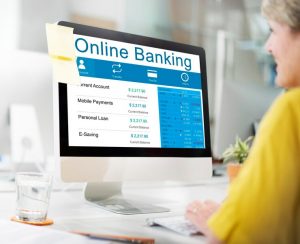
‘Loop’ marks a significant shift in the banking landscape, introducing a transformative approach to personal finance management characterized by comprehensive integration, customized guidance, and user empowerment. This innovative model transcends traditional transactional banking, aiming to harmonize all facets of an individual’s financial life into a coherent, user-friendly platform. Loop simplifies the financial experience by consolidating various services—ranging from savings and investments to payments—under a single umbrella, thereby eliminating the hassle of managing multiple accounts and navigating through complex processes.
Beyond mere convenience, Loop is about empowering users with the help of advanced analytics and machine learning. These technologies offer tailored financial insights and recommendations, aligning with each user’s unique financial goals and behaviors, thus enhancing financial literacy and enabling informed decision-making. Loop’s philosophy is centered on building a partnership with users, addressing their distinct needs and aspirations with continuous guidance and support. This progressive vision for banking reimagines the user-financial institution relationship, driving innovation and inclusivity within the financial ecosystem. As Loop evolves, it exemplifies the transformative power of technology in making banking more accessible, transparent, and focused on the user, leading the way towards a future where financial freedom is achievable for everyone.
Ready to transform your financial journey? Contact us today and discover how Loop can empower you to achieve your financial goals.
[gravityform id=”4″ title=”true” description=”true”]