
About US
 At the core of every thriving business is a relentless, unstoppable force—marketing. It’s far more than just a method for promoting products or services; it’s the secret engine driving a company’s success. Marketing is a dynamic, ever-evolving process that enables businesses to adapt to changing customer needs, maintain a strong and consistent brand presence, and fuel continuous revenue growth. It’s the key to building and sustaining customer loyalty, ensuring that customers not only choose your brand but also remain loyal advocates. Smart business owners recognize that allowing their marketing efforts to stall is never an option. Instead, they keep their marketing engines running full throttle, understanding that this continuous momentum is crucial for long-term success and staying ahead of the competition.
The Constant Evolution of Customer Needs and Trends:

In today’s dynamic world, customer needs and trends are perpetually in a state of flux. New technology, economic shifts, and cultural changes all contribute to a rapidly evolving consumer landscape. Thus, understanding and responding to these shifts is a key business imperative that can be fulfilled through relentless digital marketing.
By engaging in continuous digital marketing, businesses can keep a pulse on changing consumer behaviors and preferences in real-time. Digital marketing tools and platforms, such as social media analytics, SEO strategies, and email campaigns, provide immediate insights into what customers want, how their needs are evolving, and what trends are influencing their behavior. For example, a trend towards eco-friendliness might prompt a company to emphasize its sustainable practices across its digital channels, tailoring content to resonate with environmentally conscious audiences.
Continuous digital marketing also enables businesses to anticipate and respond to changes before they become mainstream, thereby gaining a competitive edge. It involves leveraging data-driven insights from digital platforms to analyze market trends and forecast future shifts. These insights can then be used to shape the company’s offerings and digital marketing messages. For instance, a business might predict a growing trend towards remote work by tracking online discussions and search trends, leading them to adjust their product line to cater to home office needs and promote these offerings through targeted digital ads.
Moreover, ceaseless digital marketing allows for the identification of new online market segments that might not have been previously recognized or considered. By continually analyzing digital market data, businesses might discover untapped customer groups or emerging trends, opening new avenues for growth. Techniques such as audience segmentation and personalized marketing can help businesses engage with these newly identified segments effectively.
In essence, without continuous digital marketing, businesses run the risk of falling behind, failing to meet customer needs, and missing out on vital growth opportunities in an increasingly digital world.
Building and Maintaining Brand Awareness:

In an age where consumers are bombarded with copious amounts of information, businesses face the uphill task of cutting through the noise to reach their target audience. The key to conquering this challenge lies in consistent marketing, which bolsters brand visibility and awareness.
Consistent marketing efforts, such as social media campaigns, content marketing, and advertising, help businesses establish a strong brand presence. They provide a platform for businesses to showcase their unique selling propositions, establish their brand persona, and engage with consumers.
Maintaining a constant brand presence through marketing not only aids in attracting new customers but also keeps the business at the top of the minds of existing customers. It aids in creating brand recall, which is the customer’s ability to recognize and remember a brand when making a purchasing decision. The higher the brand recall, the more likely a customer is to choose that brand over others.
Moreover, consistent marketing contributes to building brand equity, which refers to the value derived from consumer perception of the brand. High brand equity can result in numerous benefits, such as the ability to charge premium prices and increased customer loyalty.
However, effective marketing is not just about visibility; it also involves strategic budgeting and efficient payroll processing. A well-planned marketing budget ensures that resources are allocated wisely, maximizing the return on investment. This includes allocating funds for digital marketing, traditional advertising, and other promotional activities, ensuring that each dollar spent contributes to the overall marketing goals.
In tandem with budgeting, efficient payroll processing is essential for maintaining the productivity and morale of the marketing team. By ensuring that payroll is processed accurately and on time, businesses can foster a motivated team that is focused on delivering consistent marketing efforts. This, in turn, supports the continuous engagement with consumers and sustains the business’s presence in a competitive market.
In summary, consistent marketing, backed by sound budgeting and payroll processing, not only elevates brand visibility but also strengthens the overall brand equity, positioning the business for long-term success.
Driving Revenue Growth

Incorporating the unique challenges and opportunities faced by small businesses into the discussion of revenue growth and marketing highlights the importance of strategic planning. At its core, the ultimate goal of any small business is to increase its bottom line. Continuous marketing plays a pivotal role in driving revenue growth by attracting new customers, retaining existing ones, and maximizing the value derived from each customer.
For small businesses, marketing campaigns designed to increase brand awareness and visibility are crucial for drawing in new customers and expanding market share. Limited resources often mean that small businesses must be particularly savvy with their marketing tactics, such as utilizing cost-effective methods like search engine optimization (SEO) and social media marketing. These approaches can effectively reach potential customers and convince them of the value of the small business’s products or services without requiring a significant investment.
Furthermore, marketing for small businesses isn’t just about acquiring new customers; it’s also about nurturing existing relationships, which can be a more cost-effective way to drive growth. Upselling and cross-selling strategies can be employed to encourage existing customers to purchase more or different products, thereby increasing the revenue generated from each customer. For small businesses, where each customer relationship can be crucial, maintaining strong, ongoing interactions is essential.
Moreover, data-driven marketing can help small businesses identify high-value customers and target them more effectively. By understanding customer behavior and preferences, even on a limited scale, small businesses can tailor their offerings and marketing messages to maximize customer value and, consequently, revenue. This targeted approach ensures that small businesses make the most out of their marketing budget, focusing on the strategies that offer the highest return on investment.
In essence, while marketing drives growth, especially in the competitive landscape faced by small businesses, the integration of smart, data-driven strategies ensures that this growth is both sustainable and financially rewarding. By being strategic and resourceful, small businesses can effectively compete in their markets and steadily increase their bottom line.
Facilitating Customer Engagement and Loyalty
 Marketing doesn’t stop once a customer has been acquired. Instead, it shifts to fostering engagement and building loyalty, which are key to long-term business success.
Regular communication with customers through various marketing channels helps maintain relationships and keep the brand at the forefront of the customer’s mind. Email newsletters, social media posts, and personalized offers are all examples of ways businesses can engage with their customers.
Furthermore, continuous marketing provides opportunities for businesses to gather feedback and resolve issues promptly. This not only improves the product or service offering but also demonstrates to customers that their opinions are valued, thereby enhancing customer satisfaction and loyalty.
Content marketing is another effective way to foster engagement and loyalty. By providing valuable content, businesses can position themselves as industry experts and become a trusted resource for their customers.
In essence, marketing is a tool for turning customers into advocates. Loyal customers are more likely to recommend a business to their friends and family, thereby driving growth through word-of-mouth referrals. By investing in continuous marketing, businesses can foster customer loyalty and capitalize on the power of word-of-mouth marketing.
Final Thoughts
 In the competitive business arena, an unyielding commitment to marketing is not just an option, it’s a necessity. Through the continuous evolution with customer needs, building a ubiquitous brand, driving sustainable revenue growth, and facilitating enduring customer engagement, relentless marketing emerges as the secret powerhouse behind successful businesses. Indeed, in the realm of business, there’s no finish line for marketing; it’s an ongoing marathon, a journey without end. Remember, when the gears of marketing never stop turning, the wheels of success never stop moving. Let your business be fuelled by the power of unstoppable marketing.
Contact us today to discover how our expert guidance, including our specialized Bookkeeper in Toronto services, and strategic solutions can help your business scale efficiently while maintaining high standards of productivity and profitability
[gravityform id=”4″ title=”true” description=”true” ajax=”true”]
 Business grants and loans provided by the Canadian government can be crucial in launching a new company or growing an existing one. Both provincial and federal governments offer a broad spectrum of programs to assist businesses across various industries in Canada. This article will guide you through available grants and how to obtain them.
Contrary to popular belief, government grants for small businesses are not limitless and are not accessible to all types of companies. For instance, if your business involves general retail or construction, it’s unlikely you’ll qualify for a grant, though loans may be possible.
Nevertheless, there’s an abundance of opportunities for Canadian government business grants and loans, particularly for businesses in rapidly expanding sectors like IT, software development, food, biotech, and fintech.
A search tool provided by the Canadian government allows you to find available support. By inputting information such as your industry sector and location, the tool will display a list of relevant government aid programs, including grants and loans.
So, what does the government consider grant-worthy?
Although not all sectors are eligible for business grants, the Canadian government and the Ontario government are particularly interested in addressing the following areas:
Innovation

Canada lags behind other wealthy nations in innovation, a shortfall that concerns politicians. Hence, they are eager to fund grants to promote the creation of new goods, services, or efficient manufacturing and delivery methods. Proper bookkeeping plays a critical role in managing these funds effectively, ensuring that businesses can track and report their expenses accurately.
Canada provides tax incentives to companies engaging in research and development. The Scientific Research and Experimental Development program helps 20,000 businesses annually through $3 billion in tax breaks. Effective bookkeeping is essential for businesses to fully benefit from these incentives, as it ensures they maintain accurate records required to claim tax breaks and other financial benefits.
Exports

Exports, along with well-structured business plans, efficient cash flow management, and timely invoicing, play a crucial role in a nation’s economy by generating foreign revenue and improving the trade balance. When a country exports goods and services, it brings in foreign currency, which can be used to pay for imports and invest in domestic industries. This inflow of foreign revenue is vital for sustaining economic growth, as it contributes to the overall wealth of the nation and helps stabilize the currency. Additionally, a strong export sector, supported by sound business plans and effective cash flow strategies, can create jobs and stimulate industrial development, leading to higher standards of living.
Moreover, exports, coupled with consistent invoicing practices, are essential for maintaining a favorable trade balance. A positive trade balance, where exports exceed imports, is a sign of economic strength. It indicates that a country is producing more than it consumes, which can attract foreign investment and enhance the nation’s global economic standing.
Government officials recognize the importance of exports and often implement policies to support and promote them. These policies might include trade agreements, subsidies for export-oriented industries, and investments in infrastructure to facilitate trade. By fostering a robust export sector, underpinned by strategic business planning, cash flow management, and invoicing, governments can ensure long-term economic stability and prosperity, making exports a cornerstone of national economic strategy.
Job Creation

Politicians are always pleased to see job creation and financial stability as a result of government support. Grants are accessible to relatively disadvantaged areas such as Eastern Ontario and Southwestern Ontario, contributing to the financial stability of these regions.
Wage subsidies, which also promote financial stability, are offered by the Canadian government, especially for employers hiring youth or those with disabilities. There are various wage subsidy programs to explore, all designed to enhance financial stability while supporting employment growth.
What grants are available for small business startups?
 If your startup is in an innovative field like IT, healthcare, or green technology, you might qualify for funding.
For instance, the MaRS Investment Accelerator Fund in Toronto invests in companies with a potential global market of at least $100 million. These companies must be Ontario-based. If you’re targeting potential buyers worldwide, you could be well-positioned for this opportunity. MaRS is particularly interested in early-stage companies.
If your company is outside of the technology field, you may not be eligible for government grants or investment funding. However, government loans may be an option, particularly if your business is located outside major metropolitan areas.
Refer to your province’s website for more information. The business grants Ontario page offers a comprehensive list of funding opportunities for companies and municipalities.
What grants and loans are available for established companies?

You don’t have to be a high-tech company like Shopify to be eligible for business grants. As mentioned earlier, governments appreciate job creation and businesses that serve their customers well. If your business is expanding a manufacturing facility or growing in a remote area, you might qualify for funding, which can also enhance your ability to meet customer needs.
For example, the Eastern Ontario Development Fund offers up to $1.5 million for companies operating for at least three years and employing at least 10 people (or at least five in rural areas). You only need to commit to creating at least five new jobs. Your business must have a facility in Eastern Ontario to be eligible, which can also benefit the local customers.
The digital media tax credit is another notable program, focusing on companies developing educational and entertainment products for children under 12, ultimately benefiting both the businesses and their customers.
Notable Grants for Business Growth and Innovation
 The Canadian government provides several grants and programs designed to support business growth and innovation, with three notable ones being the Scientific Research and Experimental Development (SR&ED), Industrial Research Assistance Program (IRAP), and the Canada Digital Adoption Program (CDAP). The SR&ED program offers tax incentives to organizations conducting research and development within Canada, thus stimulating economic development and technological advancement. IRAP provides financial assistance and advisory services to small and medium-sized businesses engaged in innovative or technology-driven activities. Lastly, the CDAP program aims to help Canadian small businesses adopt new digital technologies, thus enhancing their online presence, digital skills, and e-commerce opportunities. Each of these programs underscores the Canadian government’s commitment to fostering a conducive environment for business growth and innovation.
How do I apply for business grants and loans?
 Each government program has specific rules and application processes. Here are some key considerations:
-
- Apply in advance: Application processing for funding requests can take several months. Submit your application well before your project is expected to begin.
- Get established: Some grants require your business to have been operational for several years. Start recording your revenues as soon as your business is established to build a track record that supports future applications.
- Seek advice: Many funding agencies provide pre-application consultations. This is a good opportunity to verify your eligibility and get application tips. If your business doesn’t meet the agency’s criteria, these meetings can save you the time and effort of applying. The officials may also guide you towards additional funding opportunities.
Does the government assist with exports?
 Yes! Exporting significantly contributes to economic growth, and the Canadian government actively supports this through various initiatives, including those related to Foreign Exchange. Export Development Canada (EDC), a federal corporation, plays a pivotal role in promoting exports. EDC provides Canadian businesses with essential resources such as working capital,
 Final Thoughts
 If your company is innovating and marketing pioneering technology, there are grant programs available to support your research, development, and overseas sales efforts. These programs can provide essential funding to help bring your innovations to market and expand your business internationally. Taking the time to research available grants and loans is crucial, as it allows you to identify the options that best align with your specific business needs. By leveraging these financial resources, your company can accelerate its growth, reduce the risks associated with innovation, and enhance its competitive edge in the global marketplace.
Contact us today to implement robust financial management practices and ensure your business’s long-term success and stability.
[gravityform id=”4″ title=”true” description=”true” ajax=”true”]
 For a business to thrive and grow, it essentially needs two things: a strategic plan and an ability to continually find new customers and tap into promising markets. Growth is not a one-time event but a continuous process that involves careful planning, execution, and constant evaluation. Start by re-evaluating your existing customer base and creating detailed customer personas to understand your target audience better. Explore new distribution channels and consider geographical expansion by conducting thorough market research. Vertical and horizontal integration can provide additional growth avenues, while an effective online presence, optimized for search engines and social media, can reach a broader audience. Continuously re-evaluate your marketing strategy and leverage technology for innovation. Finally, consider strategic partnerships and fostering a culture of continuous improvement to adapt to changing market conditions. By following these steps, you can unlock new customers and markets, ensuring your business flourishes.
The Untapped Potential in Existing Markets
 One of the most efficient ways to grow your business is by leveraging the untapped potential in your existing markets. Start by re-evaluating your current customer base. Understanding who your customers are and their purchasing behavior can help you identify new opportunities within this group. Profiling your customers will help you more accurately define who your target consumers are, leading to more effective marketing and sales strategies.
Exploring different distribution channels is another method to reach more consumers in your existing market. This could mean shifting from indirect sales through retailers or wholesalers to direct sales through an e-commerce platform. Alternatively, consider a hybrid approach where you combine both direct and indirect sales channels to maximize reach and efficiency. Each distribution channel has its advantages and drawbacks, so it’s essential to choose the ones that align best with your business model and customer preferences.
Personas: Your Marketing’s Best Friend
 Creating detailed customer personas is a critical step in effective marketing. Personas bring your target customers to life by providing a clear picture of who they are, what they need, and how they behave. If, for example, the ideal customer for your product is a 30-year-old stay-at-home mom, you need to create a detailed profile reflecting her lifestyle, income, concerns, educational background, and other key demographics.
A deep understanding of your target customer allows you to tailor your marketing messages and product offerings to meet their specific needs. This personalized approach increases the likelihood of engaging your audience and converting them into loyal customers. Furthermore, customer personas can guide product development, helping you create offerings that resonate with your target market’s needs and preferences.
Expanding Your Business Horizons
 Once you have a solid understanding of your existing market, it’s time to look for new growth opportunities. Geographical expansion is one such strategy. Identify regions where your customer personas are located and analyze these areas for market potential. Conduct thorough consumer demand research to understand local market trends, competitive landscape, and consumer behaviors.
If the demand in these regions is significant, devise a strategy to serve these customers effectively. This might involve opening a physical store, setting up a regional distribution center, or even considering franchising. Each approach has its benefits and challenges, so it’s crucial to choose a strategy that aligns with your business goals and resources.
Integrating Vertically or Horizontally
 Vertical and horizontal integration are powerful strategies for business growth. Vertical integration involves expanding your business operations along the supply chain, either by acquiring suppliers (backward integration) or distributors (forward integration). This strategy can help you gain more control over the production process, reduce costs, and improve efficiency.
Horizontal integration, on the other hand, involves expanding your business by acquiring or merging with competitors or complementary businesses. This can help increase your market share, reduce competition, and achieve economies of scale. For example, if you are a retailer, you might consider buying out a wholesaler or vice versa. Both vertical and horizontal integration require substantial investment and careful planning to ensure they align with your overall business strategy.
The Digital Landscape: Sell Online

In today’s digital age, having an online presence is crucial for reaching a wider audience. Digital marketing techniques such as search engine optimization (SEO) and pay-per-click (PPC) advertising can significantly enhance your visibility and attract targeted traffic to your site. Online selling provides an opportunity to tap into new markets without the geographical limitations of a physical store. A responsive website design or a mobile app can be beneficial if your business caters to on-the-go customers. Alternatively, setting up an e-commerce store on platforms like Shopify can help you reach a global audience through integrated multichannel marketing strategies.
Building a robust online presence involves more than just having a website. It includes optimizing your site for search engines (SEO) to increase visibility, leveraging social media marketing to engage with your audience, and utilizing email marketing to nurture leads. Content marketing through blogs and videos can also drive organic traffic and establish your brand as an authority in your industry. Additionally, providing a seamless online shopping experience with easy navigation, secure payment options, and excellent customer service can help convert visitors into loyal customers. Implementing customer relationship management (CRM) systems can enhance personalization and improve customer retention.
Re-Evaluate Your Marketing Strategy
 Marketing is an ongoing process that requires constant evaluation and adjustment. What actions are you taking to attract new customers? Consider brand promotion through conferences, trade shows, or customer surveys. Participating in industry events can enhance your brand’s visibility and credibility, allowing you to connect with potential customers and partners.
Enhancing your online presence is equally important. Ensure that your business is visible on relevant websites and social media platforms where your target audience spends their time. Content marketing, social media marketing, and search engine marketing are powerful tools to attract and engage new customers. Additionally, setting up a formal referral program can leverage your existing customers to attract new ones, as satisfied customers are often willing to refer your business to others.
Exploring New Markets
 If you feel like you’ve maxed out growth opportunities in your existing market, it might be time to explore new markets. This could involve targeting different geographical regions, entering new industry sectors, or even expanding from B2B to B2C (or vice versa). Each new market requires a tailored approach to meet the unique needs and preferences of the target audience.
Entering new markets often requires adjustments to your marketing strategy and product offerings. For example, if you are expanding internationally, you might need to localize your marketing materials and adapt your products to meet local regulations and consumer preferences. Conducting thorough market research and developing a detailed market entry strategy is crucial for success in new markets.
Leveraging Technology and Innovation
 Technology and innovation play a critical role in business growth. Leveraging the latest technologies can help streamline operations, improve customer experience, and drive innovation. For example, adopting customer relationship management (CRM) software can help you better understand and engage with your customers. Implementing data analytics can provide valuable insights into customer behavior and market trends, helping you make informed business decisions.
Innovation is equally important for staying competitive and meeting evolving customer needs. Encourage a culture of innovation within your organization, where employees are motivated to come up with new ideas and solutions. Invest in research and development to continuously improve your products and services. Staying ahead of technological advancements and industry trends can give your business a competitive edge.
Building Strategic Partnerships
 Strategic partnerships can be a powerful growth driver for your business. Partnering with other businesses can help you reach new customers, enter new markets, and enhance your product offerings. Look for partners whose products or services complement yours, creating a win-win situation for both parties.
For example, if you are in the technology industry, partnering with a software development company can help you offer integrated solutions to your customers. Collaborating with a logistics company can improve your supply chain efficiency and enable you to offer faster delivery times. Strategic partnerships can also provide access to new resources, knowledge, and expertise, helping you grow your business more effectively.
Continuous Improvement and Adaptability
 Growth requires continuous improvement and adaptability. The business environment is constantly changing, and what works today might not work tomorrow. Continuously monitor market trends, customer preferences, and competitive landscape to stay ahead of the curve. Be willing to adapt your strategies and operations to meet changing market conditions and customer needs.
Encourage a culture of continuous improvement within your organization. Regularly review your processes, identify areas for improvement, and implement changes to enhance efficiency and effectiveness. Invest in employee training and development to ensure your team has the skills and knowledge needed to support your growth initiatives. By fostering a culture of continuous improvement and adaptability, you can position your business for long-term success.
In Conclusion
 Finding new customers and markets is an exciting journey that could unlock doors to business growth. It requires careful planning, strategic actions, and a willingness to adapt and innovate. By leveraging the untapped potential in your existing markets, creating detailed customer personas, expanding your business horizons, integrating vertically or horizontally, selling online, re-evaluating your marketing strategy, exploring new markets, leveraging technology and innovation, building strategic partnerships, and fostering continuous improvement, you can drive sustainable growth for your business.
The rewards of expanding your customer base and entering new markets can be significant, providing you with the opportunity to increase revenue, enhance market share, and achieve long-term success. So, why not start today? Take the first step towards unlocking new customers and markets, and watch your business thrive.
Contact us today to implement robust financial management practices and ensure your business’s long-term success and stability.
[gravityform id=”4″ title=”true” description=”true” ajax=”true”]
 Mid-sized companies face distinct challenges in attracting and retaining top talent in today’s competitive business environment. Recognizing their vital role, the Canadian government offers resources and guidelines to support these businesses in developing effective talent acquisition and retention strategies. These resources help mid-sized companies build a skilled, committed workforce essential for growth and competitiveness. By leveraging government programs and best practices, these businesses can enhance their ability to attract, develop, and retain the talent needed to drive innovation and achieve long-term success.
Understanding Talent Acquisition
 Talent acquisition extends beyond traditional recruitment, encompassing a strategic approach to finding, attracting, and onboarding the right talent. For mid-sized businesses, this involves identifying the specific skills and attributes essential for driving growth and innovation. This strategic process ensures that the organization not only fills vacancies but also builds a workforce aligned with its long-term goals and values, ultimately fostering a dynamic and competitive business environment. By focusing on the right talent, mid-sized companies can enhance their potential for sustainable success and innovation.
Strategies for Talent Acquisition
Effective talent acquisition is a critical component of building a successful mid-sized business. It involves not just filling vacancies but strategically sourcing and onboarding individuals who can drive the company forward. Below are key strategies that mid-sized businesses can implement to enhance their talent acquisition efforts.
A. Employer Branding
 Employer branding is the foundation of an effective talent acquisition strategy. It involves creating a strong, positive image of the company as an employer of choice. This image should reflect the company’s values, culture, and mission, making it clear to potential candidates what the organization stands for and what it is like to work there. A strong employer brand can attract candidates who are not only skilled but also aligned with the organization’s goals and values. Companies can build their employer brand through various means, including social media engagement, employee testimonials, and a well-crafted careers page on their website. Showcasing employee stories, company achievements, and the work environment can help create a compelling narrative that resonates with potential hires. Leveraging Advanced Analytics can further refine the employer brand by identifying what aspects resonate most with desired candidates.
B. Leveraging Technology
 In today’s digital age, leveraging technology is essential for effective talent acquisition. Advanced recruitment tools and platforms can streamline the hiring process, making it more efficient and effective. Applicant Tracking Systems (ATS) can automate many aspects of recruitment, from sorting resumes to scheduling interviews, saving time and reducing administrative burden. Additionally, AI-driven recruitment tools can help identify the best candidates by analyzing resumes and matching them with job requirements. These tools can also reduce bias in the hiring process by focusing on skills and qualifications rather than subjective criteria. Furthermore, using social media platforms like LinkedIn, Facebook, and Twitter for recruitment can broaden the pool of candidates, reaching passive job seekers who may not be actively looking but are open to new opportunities. Implementing AI-Driven Tools can enhance the accuracy and efficiency of the recruitment process.
C. Diversity and Inclusion
 Promoting diversity and inclusion is not only the right thing to do but also a strategic advantage. A diverse workforce brings a variety of perspectives and ideas, which can drive innovation and creativity. Implementing policies that promote diversity and inclusion involves creating an unbiased recruitment process, providing diversity training for employees, and setting clear diversity goals. Companies can start by ensuring that job descriptions are inclusive and free from biased language. They can also use diverse interview panels to reduce the impact of individual biases. Additionally, partnering with organizations that focus on diversity can help in accessing a wider pool of diverse candidates. By fostering an inclusive culture, companies can create a more dynamic and innovative workforce. Utilizing Data-Driven Decision-Making can help track and improve diversity metrics over time.
D. Partnerships and Networking
 Building partnerships and networking with educational institutions, industry associations, and professional networks can provide a steady pipeline of top talent. These collaborations can include internship programs, participation in job fairs, and involvement in industry events. Educational institutions can be a valuable source of young talent, especially for entry-level positions. By offering internships, businesses can evaluate potential hires in real-world settings and build relationships with future graduates. Industry associations and professional networks can also be excellent sources for experienced professionals. Attending conferences, seminars, and networking events can help businesses connect with passive candidates who may not be actively seeking new opportunities but are open to career advancements. Strategic Planning in partnership and networking efforts ensures a continuous and reliable talent pipeline.
F. Internal Mobility
 Encouraging internal mobility is an effective strategy for filling critical roles and retaining top talent. Internal mobility involves creating opportunities for current employees to move into new positions within the organization. This can be achieved through job rotations, career development programs, and succession planning. By promoting from within, companies can leverage the existing knowledge and experience of their employees, ensuring a smoother transition and reducing the learning curve associated with new hires. Additionally, providing career development opportunities and clear pathways for advancement can increase employee satisfaction and loyalty, reducing turnover and retaining valuable talent. Implementing Scalable Solutions for internal mobility can help manage and streamline this process effectively.
Understanding Talent Retention
 Retaining talent is as crucial as acquiring it, as employee turnover can be costly and disruptive. Mid-sized businesses must implement strategies to foster employee satisfaction and loyalty. This includes offering competitive compensation, providing career development opportunities, promoting a healthy work-life balance, and creating an engaging work environment. Recognizing and rewarding employees for their contributions also plays a vital role in retention. By focusing on these areas, businesses can reduce turnover, maintain continuity, and build a committed, motivated workforce essential for long-term success and competitiveness.
Strategies for Talent Retention
Retaining top talent is critical for mid-sized businesses aiming for long-term success and competitiveness. High employee turnover can be costly and disruptive, impacting productivity and morale. Implementing effective retention strategies can foster employee satisfaction and loyalty, ensuring a stable and motivated workforce. Here are five key strategies for talent retention:
A. Competitive Compensation and Benefits
 One of the most fundamental strategies for retaining employees is offering competitive compensation and benefits. Employees want to feel valued and fairly compensated for their work. Mid-sized businesses should ensure that their salaries, benefits, and perks meet or exceed industry standards. This includes not only base salaries but also comprehensive benefits packages such as health insurance, retirement plans, and paid time off. Additionally, unique perks like remote work options, wellness programs, and flexible working hours can set a company apart and make it more attractive to current and potential employees. By providing competitive compensation and benefits, businesses can reduce turnover and retain their top talent. High-Level Security and Compliance Support in benefits programs ensure the protection of Sensitive Financial Data and personal information.
B. Career Development and Training
 Providing opportunities for continuous learning and career advancement is essential for employee retention. Employees are more likely to stay with a company that invests in their professional growth. Mid-sized businesses should offer a variety of career development programs, including training workshops, online courses, and mentorship opportunities. Encouraging employees to pursue certifications and higher education can also enhance their skills and knowledge, making them more valuable to the organization. A culture of continuous learning not only improves the capabilities of the workforce but also shows employees that the company is committed to their personal and professional development. This investment in employee growth fosters loyalty and reduces turnover. Advanced Analytics can help tailor training programs to meet the evolving needs of the workforce.
B. Work-Life Balance
 Promoting a healthy work-life balance is crucial for employee well-being and job satisfaction. Mid-sized businesses can support work-life balance by offering flexible working arrangements, such as remote work options, compressed workweeks, and flexible hours. Implementing wellness programs that address physical, mental, and emotional health can also contribute to a healthier work-life balance. Additionally, encouraging employees to take regular breaks and vacations helps prevent burnout and maintains productivity. When employees feel that their work and personal lives are in harmony, they are more likely to be engaged, motivated, and committed to their jobs. Strategic Planning in work-life balance initiatives ensures that employee needs are met effectively.
C. Employee Engagement
 Creating an engaging work environment where employees feel valued and involved in decision-making processes is key to retention. Regular feedback sessions, employee surveys, and open communication channels can help gauge employee satisfaction and identify areas for improvement. Involving employees in setting goals and making decisions that affect their work fosters a sense of ownership and accountability. Additionally, organizing team-building activities and social events can enhance the overall work experience and strengthen relationships among colleagues. An engaged workforce is more likely to be productive, satisfied, and loyal to the company. Utilizing Technologically Savvy tools for feedback and engagement can streamline this process.
D. Recognition and Rewards
 Implementing recognition programs to reward employees for their hard work and achievements is a powerful motivator. Mid-sized businesses should establish formal recognition programs, such as Employee of the Month awards, as well as informal recognition, such as thank-you notes and public acknowledgments during meetings. Providing opportunities for career advancement and offering performance-based bonuses and incentives can also serve as effective rewards. When employees feel appreciated and recognized for their contributions, they are more likely to remain loyal to the company. Recognition and rewards not only boost morale but also reinforce positive behaviors and performance. Enhanced Accuracy in tracking and rewarding employee performance ensures that contributions are fairly recognized.
Government Support and Resources
The Canadian government offers a range of programs and resources to assist mid-sized businesses in their talent acquisition and retention efforts. These initiatives are designed to help companies build a skilled, committed workforce, thereby enhancing their competitiveness and growth potential. Key government support includes:
A. Canada Job Grant
 The Canada Job Grant is a valuable program that provides financial assistance to businesses for training new or existing employees. The grant covers a significant portion of the training costs, allowing companies to invest in their workforce without bearing the full financial burden. This program is particularly beneficial for mid-sized businesses aiming to enhance their employees’ skills, stay competitive, and adapt to changing market demands. By subsidizing training expenses, the Canada Job Grant helps businesses ensure that their workforce is well-equipped with the latest knowledge and competencies needed for success. AI-Driven Tools can be integrated into training programs to maximize learning outcomes.
B. Wage Subsidy Programs
 Wage subsidy programs offer financial assistance to businesses that hire young workers, newcomers, and individuals from underrepresented groups. These subsidies help reduce the cost of hiring and provide opportunities for individuals who may face barriers to employment. For mid-sized businesses, participating in wage subsidy programs can be a strategic way to access a diverse talent pool while benefiting from financial incentives. By supporting inclusive hiring practices, these programs contribute to building a more diverse and dynamic workforce, which can drive innovation and enhance overall business performance. Compliance Support in these programs ensures adherence to Regulatory Changes.
C. Advisory Services
 The Canadian government also provides advisory services that offer guidance on effective talent management strategies. These services give mid-sized businesses access to experienced business advisors and mentors who can help develop and implement robust talent acquisition and retention plans. Advisors can assist companies in navigating the various government programs and resources available, ensuring they make the most of the support offered. By leveraging advisory services, businesses can gain valuable insights and best practices in talent management, helping them attract, develop, and retain top talent more effectively. Advisors can help mid-sized businesses produce Investor-Ready Reports, demonstrating strong Financial Performance.
Final Thoughts
 For mid-sized businesses in Canada, robust talent acquisition and retention strategies are crucial for sustainable growth and competitiveness. Leveraging resources and support from the Canadian government enables these businesses to attract and retain a skilled, committed workforce. Utilizing these tools, mid-sized companies can enhance their ability to recruit, develop, and keep top talent, driving innovation and long-term success. Effective strategies supported by government programs ensure these businesses remain competitive and poised for growth in a dynamic market environment. Integrating practices like Data-Driven Decision-Making, utilizing Advanced Analytics, and engaging in Strategic Planning can further enhance these efforts. Moreover, incorporating AI-Driven Tools, ensuring High-Level Security, and staying compliant with Regulatory Changes can offer Enhanced Accuracy and Scalable Solutions for business operations. Mid-sized companies that are Technologically Savvy can produce Investor-Ready Reports, manage Sensitive Financial Data securely, and ultimately improve Financial Performance, positioning themselves for future success.
Contact us today to discover how we can help your mid-sized business attract and retain top talent with cutting-edge solutions and government support!
[gravityform id=”4″ title=”true” description=”true” ajax=”true”]
 Creating a business plan is a crucial step in setting your business up for success. A well-thought-out business plan serves as a roadmap, guiding you through the various stages of starting and managing your business. Here are the five key elements that every thriving business plan should include: The executive summary provides a concise overview of your business and its goals, encapsulating the essence of your plan. Market analysis involves researching your industry, target market, and competitors to understand the landscape you’re entering. The organization and management section outlines your business’s structure, ownership, and the team leading it. The products or services section describes what you’re offering, highlighting your unique selling proposition. Finally, the marketing and sales strategy details how you plan to attract and retain customers, including your sales tactics and promotional activities. Each of these elements is essential in creating a comprehensive and effective business plan.
Executive Summary
The executive summary is the first section of your business plan, but it’s often written last. It provides a concise overview of your business and its goals, giving readers a snapshot of what your business is all about and what you aim to achieve. Here’s what to include:
 Business Overview: Start with a brief description of what your business does. This should include the core activities, products, or services you offer and the market you serve. It’s essential to be clear and precise to quickly convey the essence of your business. Consider how a Bookkeeper in Toronto can play a role in managing your finances efficiently.
Mission Statement: Your mission statement should explain the purpose and values of your business. This is your opportunity to articulate why your business exists and what it stands for. A strong mission statement can inspire and guide your team while also resonating with customers and stakeholders.
Vision Statement: Outline where you see your business in the future. Your vision statement should be aspirational, highlighting your long-term goals and the impact you aim to make. It provides direction and a clear sense of purpose for the future growth of your business.
 Objectives: Clearly state your short-term and long-term goals. Short-term objectives are specific milestones you plan to achieve within the first year or two, while long-term objectives outline your broader goals for the future. These should be realistic, measurable, and aligned with your overall vision.
Example: If you’re opening a café, your mission might be to provide a cozy space where people can enjoy high-quality coffee and pastries. Your vision might be to become the go-to community hub in your neighborhood, known for exceptional service and a welcoming atmosphere. Your short-term objectives could include securing a prime location, launching with a grand opening event, and achieving a monthly sales target within the first six months. Long-term objectives might involve expanding your menu, building a loyal customer base, and opening additional locations within five years.
By effectively summarizing these elements, your executive summary will provide a compelling and clear overview of your business plan, engaging your readers and setting the stage for the detailed information that follows.
Market Analysis
Understanding your market is crucial for your business’s success. This section will cover several key areas to provide a comprehensive view of the environment in which your business will operate:
 Industry Description: Start by describing the industry your business is part of. Include an overview of current trends, such as technological advancements, regulatory changes, and market dynamics. Discuss the future outlook, including potential growth opportunities and challenges the industry may face. This context helps to position your business within the larger market framework and shows that you have a solid grasp of the environment you’re entering.
Target Market: Define your ideal customers and their demographics, such as age, gender, income level, location, and lifestyle. Understanding who your customers are and what they need allows you to tailor your products or services to meet their specific requirements. This section should also cover psychographic details like interests, behaviors, and values, which can help in crafting targeted marketing strategies.
Competitive Analysis: Identify your main competitors and analyze their strengths and weaknesses. This involves looking at both direct and indirect competitors. Direct competitors are those who offer similar products or services, while indirect competitors provide alternatives that solve the same problem. Evaluate their market position, pricing strategies, customer base, and areas where they excel. Understanding your competition helps you identify your unique selling points and areas where you can differentiate your business.
 Market Needs: Explain what gaps or needs your business will address. Identify pain points that are currently unmet by existing solutions in the market. This could involve solving a problem more efficiently, offering a higher quality product, or providing better customer service. Clearly articulating the market needs your business will fulfill helps to highlight the value you bring to customers and the potential demand for your offerings.
Example: For a tech startup, you might analyze the latest technological trends, such as the rise of artificial intelligence and machine learning. Your target market could be young professionals aged 25-35 who are tech-savvy and seek innovative solutions to enhance their productivity. In your competitive analysis, you might identify competitors who offer similar apps but lack certain features or have higher price points. Finally, you might pinpoint the need for a more intuitive and user-friendly interface that addresses common frustrations with existing products.
By thoroughly covering these areas, your market analysis will provide valuable insights that inform your business strategy and help you position your business for success in a competitive landscape.
Organization and Management
This section outlines your business’s organizational structure and management team, providing a clear picture of how your business is structured and who is leading it. Here’s what to include:
 Company Structure: Describe how your business is organized, including departments and key roles. Explain the hierarchy within your company and how different departments or teams interact. This might include operations, marketing, finance, sales, and customer service. Visual aids like organizational charts can be particularly useful here to illustrate the structure clearly.
Ownership Information: Detail the ownership structure, including the names of owners and their stakes in the business. This could include individual owners, partnerships, or shareholders in a corporation. Clarify any specific roles owners play in the day-to-day operations of the business, if applicable.
Management Team: Introduce the key members of your management team, highlighting their qualifications, experience, and roles within the company. This section should demonstrate the expertise and capability of your team to potential investors or partners. Include brief bios that showcase their relevant backgrounds, skills, and accomplishments. A CFO with experience in managing cash flow and financial planning can be a significant asset to your management team.
 Advisors and Board Members: Mention any advisors or board members who provide strategic guidance and support to your business. These individuals often bring valuable experience and networks that can significantly benefit your business. Detail their roles, expertise, and contributions to your business strategy and decision-making processes.
Example: If you’re starting a marketing agency, detail the roles of your creative director, account managers, and other essential team members. For instance, your creative director might have over 10 years of experience in branding and advertising, having worked with top-tier clients to create award-winning campaigns. Your account managers might be seasoned professionals with strong backgrounds in client relations and project management, ensuring seamless execution of marketing strategies. Highlighting such qualifications reassures stakeholders that your team is capable and experienced.
By clearly defining your organizational structure and introducing your management team and advisors, you provide transparency and demonstrate the depth and capability of your leadership. This section helps to build confidence among investors, partners, and other stakeholders in your business’s potential for success.
Products or Services
Clearly defining what your business offers is crucial to conveying value to potential customers and stakeholders. This section will provide a detailed description of your products or services, emphasizing their benefits and unique aspects. Here’s what to include:
 Product/Service Description: Explain what you’re selling and how it benefits customers. Provide a detailed description of each product or service, including its features, functionalities, and uses. Emphasize how it addresses customer needs or solves specific problems. This helps potential customers understand the value they will receive from your offerings.
Unique Selling Proposition (USP): Highlight what makes your product or service stand out from competitors. Your USP should clearly communicate the unique benefits and features that differentiate your offerings in the market. This could be superior quality, innovative design, exceptional customer service, or exclusive features. The USP is essential in positioning your business and attracting customers.
Product Lifecycle: Describe the stages of development and the expected lifespan of your products. Outline the process from conception to launch, including any planned updates or enhancements. Discuss the longevity of your products and any factors that might influence their lifecycle, such as technological advancements or changing customer preferences. This section helps stakeholders understand your product’s market presence and potential for long-term success.
 Research and Development (R&D): Discuss any ongoing or future R&D activities. Highlight how your business is investing in innovation to stay ahead of the competition and meet evolving customer needs. Describe current R&D projects, potential new products, and improvements to existing offerings. This section demonstrates your commitment to continuous improvement and innovation.
Example: For a clothing brand, describe your product lines, such as casual wear, formal attire, and accessories. Emphasize unique aspects like sustainable materials sourced from eco-friendly suppliers and custom designs created by local artists. Highlight your USP by showcasing the quality craftsmanship and exclusive styles that set your brand apart from fast fashion competitors. Outline the product lifecycle by detailing the design, manufacturing, and retail stages, including seasonal collections and limited editions. Discuss your R&D efforts, such as exploring new sustainable fabrics and innovative production techniques to enhance quality and reduce environmental impact.
By providing a comprehensive and detailed overview of your products or services, you can effectively communicate their value and uniqueness, helping to attract and retain customers while building confidence among stakeholders and investors.
Marketing and Sales Strategy
This section outlines how you plan to attract and retain customers, detailing the strategies and tactics that will drive your business’s growth and success. Here’s what to include:
 Marketing Strategy: Detail your marketing channels and campaigns. Specify the platforms and methods you will use to reach your target audience, such as social media, email marketing, content marketing, search engine optimization (SEO), and pay-per-click (PPC) advertising. Describe the key messages you will convey and how you plan to engage with potential customers through these channels. Highlight any specific campaigns or initiatives designed to build brand awareness, generate leads, and drive conversions.
Sales Strategy: Explain your sales process, including pricing, sales tactics, and customer relationship management. Outline how you will guide prospects through the sales funnel, from initial contact to final purchase. Describe your pricing strategy and how it aligns with your market positioning. Discuss sales tactics such as upselling, cross-selling, and offering incentives or discounts. Emphasize the importance of building and maintaining strong customer relationships through personalized service and effective communication. Implementing a streamlined bill pay system can enhance customer satisfaction and improve cash flow management.
Advertising and Promotions: Describe your advertising strategies and promotional activities. Explain how you will use different advertising channels, such as online ads, print media, and sponsorships, to reach your target audience. Detail any promotional activities, such as special offers, discounts, and events, designed to attract new customers and retain existing ones. Highlight how these activities will create buzz and drive traffic to your business.
 Budget and Forecast: Provide a marketing budget and forecast expected returns. Outline the financial resources allocated to your marketing and sales efforts, including advertising spend, promotional costs, and marketing tools or software. Provide a forecast of the expected returns on these investments, such as projected sales growth, increased market share, and improved customer acquisition and retention rates. This section should demonstrate a clear link between your marketing spend and business objectives.
Example: For an online store, detail your digital marketing efforts such as SEO, influencer partnerships, and email campaigns. Explain how you will optimize your website for search engines to increase organic traffic and collaborate with influencers to reach a broader audience. Highlight your email marketing strategy, focusing on personalized and targeted campaigns to nurture leads and convert them into loyal customers. Describe your sales process, including offering competitive pricing, providing excellent customer service, and implementing a robust customer relationship management (CRM) system. Discuss your advertising strategies, such as running social media ads and participating in online marketplaces. Outline promotional activities like seasonal sales, limited-time offers, and loyalty programs. Provide a detailed marketing budget and forecast expected returns, demonstrating how your marketing efforts will drive sales growth and customer retention.
By thoroughly covering these areas, your marketing and sales strategy will provide a clear roadmap for attracting and retaining customers, ensuring the long-term success of your business
Conclusion
 A thriving business plan is not just a document but a dynamic blueprint that evolves as your business grows. By thoroughly covering these five key elements—executive summary, market analysis, organization and management, products or services, and marketing and sales strategy—you create a comprehensive guide that drives your business forward. The executive summary provides a concise overview, while market analysis offers insights into industry trends and competitors. The organization and management section outlines your team structure, and the products or services description highlights your unique offerings. Lastly, the marketing and sales strategy details how you will attract and retain customers, ensuring sustainable growth and success. Additionally, leveraging the expertise of an accountant or CFO can further enhance your business plan by providing strategic financial insights and ensuring sound cash flow management.
Contact us today to implement robust financial management practices and ensure your business’s long-term success and stability.
[gravityform id=”4″ title=”true” description=”true” ajax=”true”]
 In today’s rapidly evolving business landscape, Canadian companies are increasingly confronted with the challenge of scaling their operations while maintaining efficiency. As businesses expand, they encounter a range of obstacles that can hinder their ability to sustain productivity and profitability. From managing operational complexity to securing funding and integrating technology, the path to growth is fraught with difficulties. This article delves into the key challenges faced by Canadian businesses during scaling, explores effective management strategies, and highlights government resources available to support these enterprises in their growth journey.
Operational Complexity
 One of the primary challenges businesses face during expansion is the increase in operational complexity. As a company grows, its operations naturally become more intricate. This complexity can stem from various factors, such as an increase in product lines, entry into new markets, or the addition of new departments and teams. Each of these elements adds layers of processes and procedures that need to be managed effectively.
Managing operational complexity requires a strategic approach. Companies need to streamline processes to eliminate inefficiencies. This can involve adopting advanced technologies, such as enterprise resource planning (ERP) systems, which integrate various functions into a single system, providing real-time data and improving decision-making processes. Additionally, implementing standardized procedures and fostering clear communication across departments can help reduce complexity and enhance productivity.
Resource Allocation
 Balancing resource allocation is another critical challenge during business growth. As demands increase, companies must ensure that their financial and human resources are deployed effectively. Overextending resources can lead to burnout among employees and financial strain on the company, both of which can hinder growth.
Effective resource allocation involves careful planning and prioritization. Companies should regularly assess their resource needs and adjust allocations based on current demands and future projections. This may involve hiring additional staff, investing in employee training, or reallocating financial resources to high-priority projects. By maintaining a flexible approach to resource management, businesses can better adapt to changing conditions and continue to grow sustainably.
Maintaining Quality
 Ensuring consistent product or service quality during periods of growth is essential for maintaining customer satisfaction and upholding the brand’s reputation. As businesses scale, there is often a risk that quality may decline due to increased production pressures or insufficient oversight.
To maintain quality, businesses should implement robust quality control systems. This includes setting clear quality standards, conducting regular inspections, and gathering feedback from customers. Additionally, fostering a culture of quality within the organization, where every employee understands the importance of delivering high-quality products or services, can help ensure that standards are met consistently.
Investing in employee training and development is also crucial. Well-trained employees are better equipped to maintain high standards and identify potential quality issues before they escalate. By prioritizing quality control and continuous improvement, businesses can protect their reputation and ensure long-term success.
Talent Acquisition and Retention
 Finding and retaining skilled employees is a significant challenge for growing businesses. As companies expand, the demand for talented individuals who can support and drive growth increases. However, attracting top talent can be competitive, and retaining these employees is equally important to avoid disruption and maintain continuity.
Effective talent management strategies are essential for sustainable growth. This includes creating a positive workplace culture, offering competitive compensation packages, and providing opportunities for professional development. Additionally, businesses should focus on building strong employer branding to attract skilled candidates and fostering an environment where employees feel valued and motivated to stay.
Technological Integration
 Implementing and scaling technology solutions is crucial for streamlining operations and enhancing efficiency. As businesses grow, integrating advanced technologies can help automate processes, improve data management, and support better decision-making. Embracing AI-driven tools and scalable solutions ensures businesses remain technologically savvy and can quickly adapt to new demands.
Technology is critical for maintaining competitiveness in today’s fast-paced market. Companies should invest in scalable technology platforms that can grow with the business. This may involve adopting cloud-based systems, implementing customer relationship management (CRM) tools, and leveraging data analytics to gain insights into operations and customer behavior. By effectively integrating technology, businesses can improve productivity and stay ahead of the competition.
Financial Management
 Securing funding and managing cash flow are vital components of supporting business expansion. Growth often requires significant financial investment, whether for new hires, technology upgrades, or market expansion.
Robust financial planning and forecasting are essential for navigating these challenges. Businesses should develop comprehensive financial plans that outline funding needs, cash flow projections, and potential risks. Regularly reviewing financial performance and adjusting strategies as needed can help ensure that the company remains financially stable and can support ongoing growth. Producing investor-ready reports that showcase financial stability and growth potential can also attract necessary investments.
Market Penetration
 Expanding into new markets involves more than just increasing the geographic reach of a business; it requires a deep understanding of different consumer needs and preferences. Each new market can present unique challenges, including cultural differences, varying consumer behaviors, and distinct competitive landscapes. Successfully navigating these challenges is essential for capturing market share and achieving growth.
Understanding and adapting to different consumer needs is the first step in market penetration. This can involve customizing products or services to better align with local preferences, conducting market research to gain insights into consumer behavior, and developing targeted marketing strategies. Additionally, businesses must navigate the regulatory environments of new markets, which can vary significantly from one region to another. This includes complying with local laws and regulations related to product standards, marketing practices, and business operations.
Process Optimization
 As businesses grow, streamlining processes becomes increasingly important to enhance efficiency and reduce operational bottlenecks. Efficient processes are the backbone of smooth scaling, allowing companies to handle increased workloads without compromising quality or productivity.
Process optimization involves identifying areas where improvements can be made, whether through automation, better workflow management, or eliminating redundancies. Implementing best practices and standardizing procedures can help ensure consistency and reduce errors. Additionally, adopting lean management techniques can help identify and eliminate waste, further improving efficiency. Regularly reviewing and refining processes as the business evolves ensures that operations remain efficient and capable of supporting growth.
Scalable Infrastructure
 Investing in scalable infrastructure is crucial for supporting future growth. As businesses expand, they need technology and facilities that can grow with them. Scalable infrastructure provides the flexibility to adapt to increasing demands without requiring significant overhauls or investments.
Technology plays a vital role in scalable infrastructure. Businesses should invest in robust IT systems, cloud-based solutions, and scalable software platforms that can handle growing data and user volumes. These technologies enable seamless integration and scalability, ensuring that operations can expand smoothly. Additionally, physical infrastructure such as office spaces, manufacturing facilities, and distribution networks must be designed with scalability in mind. This might involve modular designs that can be easily expanded or flexible lease agreements that allow for growth.
Agile Management Practices
 Adopting agile methodologies is crucial for businesses seeking to respond quickly to market changes and capitalize on new opportunities. Agile management practices emphasize flexibility, iterative progress, and collaboration, allowing companies to adapt rapidly to evolving market conditions and customer needs.
Implementing agile practices involves breaking down projects into smaller, manageable tasks and using short development cycles known as sprints. This approach enables teams to deliver incremental improvements and quickly adjust to feedback or changes in the market. Regular meetings, such as daily stand-ups and sprint reviews, facilitate communication and ensure alignment across the team. By fostering a culture of agility, businesses can enhance their responsiveness, improve product development cycles, and maintain a competitive edge.
Employee Development
 Fostering a culture of continuous learning and development is essential for equipping employees with the skills necessary for growth. As businesses expand, they must ensure that their workforce remains capable of meeting new challenges and seizing opportunities.
Investing in employee development involves providing ongoing training, professional development programs, and opportunities for career advancement. This can include workshops, online courses, mentorship programs, and cross-functional training. Encouraging employees to pursue new skills and knowledge not only enhances their capabilities but also boosts morale and job satisfaction. A well-developed workforce is more adaptable, innovative, and productive, contributing significantly to the business’s overall growth and success.
Government Funding Programs
 Government funding programs, including grants, loans, and tax incentives, play a vital role in supporting business expansion and innovation. These programs provide financial assistance that can help businesses invest in new technologies, enter new markets, and undertake research and development projects.
Businesses should stay informed about available government funding opportunities and understand the eligibility criteria and application processes. Grants can offer non-repayable funds for specific projects, while loans provide capital with favorable terms. Tax incentives can reduce the overall tax burden, freeing up resources for growth initiatives. Leveraging these programs can significantly enhance a company’s financial capacity and reduce the risks associated with expansion.
Advisory Services and Mentorship
 Access to government-sponsored advisory services and mentorship programs is invaluable for businesses at various stages of growth. These services offer strategic planning and management support, helping businesses navigate complex challenges and make informed decisions.
Advisory services typically include consultations with experienced business advisors who provide insights on improving operational efficiency, financial management, marketing strategies, and overall business planning. Mentorship programs connect business owners with seasoned mentors who offer guidance, share industry knowledge, and help develop leadership skills. These relationships can be instrumental in identifying growth opportunities, overcoming obstacles, and achieving long-term business goals. By leveraging these resources, businesses can enhance their strategic planning capabilities and build a strong foundation for sustainable growth.
Export Assistance Programs
 For businesses looking to expand into international markets, government-sponsored export assistance programs provide crucial resources and support. These programs help businesses understand and navigate global trade regulations, develop effective market entry strategies, and connect with international partners.
Export assistance often includes access to market research, export financing, and trade missions. Government agencies may also offer training on export compliance, logistics, and international marketing. By participating in these programs, businesses can gain a competitive edge in the global marketplace, identify new revenue streams, and diversify their customer base. Effective export strategies can lead to significant growth opportunities and increased market share on an international scale.
Innovation Support
 Innovation is a key driver of competitiveness and growth, and government initiatives play a vital role in supporting research, development, and technology adoption. These programs encourage businesses to innovate by providing financial incentives, resources, and collaborative opportunities.
Government innovation support often includes grants for research and development (R&D), tax credits for innovation-related expenditures, and funding for technology adoption. Programs may also facilitate partnerships between businesses, universities, and research institutions to foster collaborative innovation. By taking advantage of these initiatives, businesses can invest in cutting-edge technologies, develop new products and services, and improve existing processes. Staying at the forefront of innovation helps businesses remain competitive, meet evolving customer demands, and drive long-term growth.
Final Thoughts
 Successfully managing growth without losing efficiency is crucial for the sustainable success of Canadian businesses. By strategically addressing operational complexity, resource allocation, quality maintenance, and other scaling challenges, companies can navigate their expansion more effectively. Leveraging government resources, such as funding programs, advisory services, and innovation support, can provide the necessary boost to overcome these hurdles. Ultimately, focusing on process optimization, scalable infrastructure, agile management practices, and robust financial planning will enable businesses to achieve growth while maintaining efficiency, ensuring long-term competitiveness and prosperity in the marketplace. Additionally, incorporating data-driven decision-making and advanced analytics can significantly enhance strategic planning and financial performance. Employing high-level security and compliance support to navigate regulatory changes ensures that sensitive financial data remains protected, providing businesses with the confidence to expand sustainably.
Contact us today to discover how our expert guidance and strategic solutions can help your business scale efficiently while maintaining high standards of productivity and profitability.
[gravityform id=”4″ title=”true” description=”true” ajax=”true”]
 Crafting a solid business plan is crucial for any entrepreneur. It provides a roadmap for your business and is vital for securing funding and attracting investors. Start with thorough market research to understand your target audience and competitors. Define your business goals with specific, measurable, achievable, relevant, and time-bound (SMART) objectives. Develop a detailed marketing strategy tailored to your audience, outline your operational plan, and describe your business structure and daily operations. Lastly, create financial projections, including startup costs, revenue models, and break-even analysis. These steps will help you create a comprehensive plan to guide your business to success.
Here’s a practical guide to help you put together your business plan.
1. Conduct Thorough Market Research
 Market Research:
Market research is the foundation of your business plan, providing critical insights into your target market. Begin by analyzing demographics such as age, gender, income, and location to identify who your customers are. Dive deeper into their preferences and buying behavior to understand what drives their purchasing decisions. This can involve studying factors like lifestyle, values, and buying patterns. Additionally, identify your competitors and analyze their strengths and weaknesses. Knowing what your competitors excel at and where they fall short can help you position your business more effectively and uncover opportunities to differentiate your offerings.
 Market Trends:
Staying informed about market trends and industry developments is crucial for maintaining a competitive edge. Regularly review industry reports, follow relevant news, and participate in trade shows and professional networks to stay updated. Understanding trends such as technological advancements, shifts in consumer behavior, or economic changes can help you anticipate market shifts and adapt your business strategy accordingly. For example, if you observe a growing demand for sustainable products, you can align your offerings to meet this trend, appealing to environmentally conscious consumers. Keeping a pulse on the market ensures that your business remains relevant and can swiftly respond to changes, driving long-term success.
2. Define Your Business Goals and Objectives
 Vision and Mission Statement:
Clearly articulating your business’s vision and mission is crucial for establishing its identity and direction. Your vision statement should reflect your long-term aspirations, painting a picture of what you hope to achieve in the future. It should inspire and provide a sense of purpose for your team and stakeholders. On the other hand, your mission statement should define the core purpose and values of your business. It should explain why your business exists, what it stands for, and how it intends to serve its customers and community. Together, these statements lay the foundation for your strategic planning and decision-making processes.
 Short-term and Long-term Goals:
Differentiating between short-term and long-term goals helps you create a balanced strategy for immediate action and sustained growth. Short-term goals are actionable steps you can take immediately, such as launching a marketing campaign or improving customer service processes. These goals are typically focused on achieving quick wins and addressing immediate needs. Long-term goals, on the other hand, outline your business’s growth trajectory over several years. They might include expanding into new markets, developing new product lines, or achieving significant revenue milestones. By setting both short-term and long-term goals, you can ensure that your business remains agile and responsive while steadily progressing towards its overarching vision.
3. Develop a Detailed Marketing Strategy
 Target Audience:
Identifying your target audience is the first step in creating an effective marketing strategy. Start by segmenting your market based on demographics such as age, gender, income level, and location. Go further by developing buyer personas—detailed profiles that represent your ideal customers. These personas should include information about their preferences, behaviors, and pain points. Understanding your customers’ needs and preferences allows you to tailor your marketing messages and strategies to resonate with them. This targeted approach increases the likelihood of engaging potential customers and converting them into loyal clients.
 Marketing Channels:
Choosing the right marketing channels is essential for reaching your target audience effectively. Consider a mix of online and offline channels to maximize your reach. Online channels might include social media platforms, email marketing, and content marketing through blogs and videos. Offline channels could involve traditional advertising methods such as print ads, direct mail, and events. Each channel has its strengths and can be leveraged based on where your audience spends their time. For instance, if your target audience is highly active on Instagram, focusing on visually engaging content for that platform would be beneficial.
 Budget and ROI:
Allocating a budget for your marketing activities and establishing metrics to measure return on investment (ROI) are vital for managing your resources efficiently. Determine how much you can afford to spend on marketing and allocate funds to different channels based on their potential impact. Establish clear metrics for measuring the success of your marketing efforts, such as conversion rates, customer acquisition costs, and engagement levels. Regularly tracking your marketing performance helps you identify which strategies are working and which need adjustment. By continuously refining your approach based on ROI data, you can optimize your marketing efforts and ensure that your investments yield the best possible returns.
4. Outline Your Operational Plan
 Business Structure:
Describing your business structure is essential for defining roles and responsibilities within your organization. Start by outlining the organizational hierarchy, including key team members and their qualifications. Detail the responsibilities of each role, from executives and managers to support staff, ensuring that everyone understands their duties and how they contribute to the business’s success. If you have external partners or advisors, such as legal consultants, financial advisors, or industry experts, include their roles and the value they bring to your business. A clear business structure promotes accountability and efficient workflow, ensuring that all tasks are managed effectively.
 Technology and Tools:
Identifying the technology and tools needed to run your business efficiently is critical for operational success. This might include software for accounting to manage finances, customer relationship management (CRM) systems to handle customer interactions, and project management tools to oversee tasks and deadlines. Consider other essential functions like inventory management systems, point-of-sale (POS) systems, and marketing automation tools. Assessing your technology needs helps streamline processes, improve productivity, and enhance data accuracy. Investing in the right tools not only supports daily operations but also provides valuable insights through data analytics, enabling informed decision-making and strategic planning for growth.
5. Create Financial Projections
 Startup Costs:
Calculating your startup costs is a fundamental step in determining the capital required to launch your business. Begin by listing all potential expenses, including equipment, office space, initial inventory, and marketing efforts. Consider one-time costs like licenses, permits, and initial setup fees, as well as recurring costs such as utilities, salaries, and insurance. This comprehensive calculation will give you a clear picture of the financial resources needed to get your business off the ground. Knowing your startup costs also helps you create a realistic budget and identify funding needs, whether through personal savings, loans, or investor contributions.
 Financial Statements:
Preparing financial statements, including income statements, balance sheets, and cash flow statements, is essential for assessing your business’s financial health. The income statement shows your revenue, expenses, and profits over a specific period, highlighting profitability. The balance sheet provides a snapshot of your business’s assets, liabilities, and equity at a particular point in time, revealing financial stability. The cash flow statement tracks the flow of cash in and out of your business, ensuring you have sufficient liquidity to meet obligations. These documents are not only critical for internal decision-making but also for attracting investors and securing loans, as they demonstrate your financial acumen and business viability.
 Break-even Analysis:
Conducting a break-even analysis helps you determine when your business will become profitable. This involves calculating the break-even point, where total revenue equals total expenses. Knowing this point helps set realistic financial goals and manage your cash flow effectively. To perform a break-even analysis, identify your fixed and variable costs and determine the sales volume needed to cover these costs. This analysis can also guide pricing strategies and cost management efforts, ensuring that you maintain profitability as you scale. Understanding your break-even point is crucial for making informed financial decisions and planning for sustainable growth.
Conclusion
 Crafting a solid business plan is an essential step for any entrepreneur, providing a roadmap to success. Start by conducting thorough market research to understand your target audience and competitors. Define clear, achievable goals to guide your efforts. Develop a detailed marketing strategy tailored to your audience, outlining the channels and tactics you will use. Outline your operational plan, detailing roles, processes, and the technology needed for efficiency. Create financial projections, including startup costs, revenue models, and financial statements, to ensure financial viability. Remember, your business plan is a dynamic document that should evolve with your business and market conditions. Regularly review and update it to keep it relevant and aligned with your objectives, ensuring continued growth and adaptability.
Contact us today to implement robust financial management practices and ensure your business’s long-term success and stability.
[gravityform id=”4″ title=”true” description=”true” ajax=”true”]
 In today’s dynamic business landscape, sustainability and corporate social responsibility (CSR) have emerged as critical components of business strategy, especially for expanding enterprises. As businesses grow and scale their operations, the emphasis on sustainable and socially responsible practices becomes increasingly important. For Canadian businesses, the integration of sustainability and CSR is not only advantageous for the environment and society but also aligns with government regulations and meets public expectations. This article aims to provide an in-depth understanding of the significance of these practices for expanding businesses in Canada and offers a comprehensive guide to their implementation.
Understanding Sustainability and CSR
A. Sustainability
 Sustainability refers to the practice of conducting business in a manner that meets the needs of the present without compromising the ability of future generations to meet their own needs. It encompasses a holistic approach that considers environmental stewardship, resource efficiency, and long-term ecological balance.
- Environmental Stewardship: This involves taking responsibility for the environmental impacts of business operations. It includes initiatives such as reducing greenhouse gas emissions, minimizing waste, conserving water, and protecting natural habitats.
- Resource Efficiency: Sustainable businesses aim to use resources more efficiently, reducing waste and maximizing the use of renewable resources. This can involve adopting circular economy principles, where products and materials are reused, recycled, or repurposed to minimize waste.
- Long-term Ecological Balance: Ensuring that business activities do not disrupt the natural balance of ecosystems is crucial. This involves protecting biodiversity, maintaining soil health, and preventing pollution.
B. Corporate Social Responsibility
 Corporate social responsibility (CSR) is a business approach that contributes to sustainable development by delivering economic, social, and environmental benefits for all stakeholders. CSR encompasses a wide range of practices that aim to have a positive impact on society while ensuring ethical and transparent business operations.
- Ethical Business Practices: This involves conducting business in a fair and ethical manner, adhering to legal requirements, and maintaining high standards of integrity. Ethical business practices include fair labor practices, anti-corruption measures, and responsible marketing.
- Community Engagement: CSR encourages businesses to actively engage with and contribute to the communities in which they operate. This can include supporting local development projects, providing education and training opportunities, and partnering with community organizations.
- Employee Well-being: Ensuring the well-being of employees is a key aspect of CSR. This includes providing safe and healthy working conditions, offering fair wages and benefits, and promoting work-life balance.
- Transparent Governance: Transparency in business operations is essential for building trust with stakeholders. This involves clear and honest communication about business practices, financial performance, and social and environmental impacts.
The Importance of Sustainability and CSR for Expanding Businesses
A. Regulatory Compliance
 In Canada, government policies and regulations increasingly emphasize the importance of sustainable practices and CSR. Businesses that fail to comply with these regulations risk facing legal issues, penalties, and damage to their reputation. Understanding and adhering to these regulations is essential for ensuring long-term business viability.
- Environmental Regulations: Canadian businesses must comply with various environmental regulations, such as those related to emissions, waste management, and resource conservation. Adopting sustainable practices helps businesses meet these regulatory requirements and avoid potential fines or legal actions.
- Social Regulations: CSR practices often align with social regulations that aim to protect workers’ rights, ensure fair labor practices, and promote equality. By adhering to these regulations, businesses can create a positive work environment and enhance their reputation as responsible employers.
B. Reputation and Brand Loyalty
 Consumers today are more conscious of the environmental and social impacts of the products and services they purchase. Businesses that demonstrate a commitment to sustainability and social responsibility are more likely to attract and retain customers.
- Building Trust: Transparency and ethical business practices build trust with consumers. When businesses openly communicate their sustainability and CSR efforts, they create a positive brand image that resonates with socially conscious customers.
- Enhancing Brand Loyalty: Customers are more likely to remain loyal to brands that align with their values. By prioritizing sustainability and CSR, businesses can foster strong relationships with their customers, leading to increased customer loyalty and repeat business.
C. Operational Efficiency and Cost Savings
 Sustainable practices can lead to significant cost savings and operational efficiencies. By optimizing resource use and reducing waste, businesses can improve their bottom line while minimizing their environmental footprint.
- Energy Efficiency: Implementing energy-efficient technologies and practices can reduce energy consumption and lower utility costs. Businesses can invest in renewable energy sources, such as solar or wind power, to further reduce their reliance on fossil fuels.
- Waste Reduction: Minimizing waste through recycling, composting, and efficient production processes can lead to cost savings. Businesses can also explore opportunities to repurpose waste materials into new products, creating additional revenue streams.
- Employee Productivity: CSR initiatives that prioritize employee well-being can lead to higher levels of employee satisfaction and productivity. When employees feel valued and supported, they are more motivated to perform at their best, contributing to overall business success.
D. Investor Attraction
 Investors are increasingly considering Environmental, Social, and Governance (ESG) criteria in their investment decisions. Demonstrating a strong commitment to sustainability and CSR can attract investment and financial support.
- Access to Capital: Businesses with robust sustainability and CSR practices are often viewed as lower-risk investments. This can lead to increased access to capital and more favorable financing terms from investors who prioritize ESG criteria.
- Competitive Advantage: Companies that prioritize sustainability and CSR can differentiate themselves from competitors. This competitive advantage can attract socially responsible investors and provide opportunities for growth and expansion.
Implementing Sustainability and CSR Practices
A. Develop a Sustainability Strategy
 Creating a comprehensive sustainability strategy is the first step for businesses looking to integrate sustainable practices into their operations. This involves assessing the environmental impact of current business activities and setting measurable goals for improvement.
- Environmental Impact Assessment: Conducting an environmental impact assessment helps businesses identify areas where they can reduce their ecological footprint. This assessment should consider factors such as energy use, water consumption, waste generation, and emissions. Leveraging data-driven decision-making and advanced analytics can enhance the accuracy of these assessments, providing detailed insights that inform strategic planning.
- Setting Goals: Businesses should set clear, measurable goals for reducing their environmental impact. These goals can include targets for reducing carbon emissions, increasing energy efficiency, minimizing waste, and conserving water. Setting ambitious yet achievable goals helps drive continuous improvement.
B. Engage Stakeholders
 Effective stakeholder engagement is crucial for the successful implementation of sustainability and CSR initiatives. Businesses should communicate with employees, customers, suppliers, and the community about their sustainability efforts and involve them in the development and implementation of these initiatives.
- Internal Communication: Engaging employees in sustainability and CSR efforts is essential for fostering a culture of responsibility. Businesses should provide training and resources to help employees understand the importance of these initiatives and encourage their active participation.
- Customer Engagement: Businesses should communicate their sustainability and CSR efforts to customers through transparent and honest messaging. This can include providing information on product labels, sharing stories on social media, and highlighting achievements in sustainability reports.
- Supplier Collaboration: Partnering with suppliers who share similar sustainability and CSR values can strengthen the entire supply chain. Businesses should work with suppliers to ensure responsible sourcing, reduce environmental impact, and promote fair labor practices.
- Community Involvement: Building strong relationships with the local community is an important aspect of CSR. Businesses can support community development projects, participate in local events, and collaborate with community organizations to address social and environmental challenges.
C. Adopt Green Technologies
 Investing in green technologies can enhance operational efficiency and reduce environmental impact. Businesses should explore innovative solutions that promote sustainability and support their long-term goals.
- Renewable Energy: Transitioning to renewable energy sources, such as solar, wind, or hydroelectric power, can significantly reduce a business’s carbon footprint. Investing in renewable energy infrastructure can also provide long-term cost savings.
- Energy-Efficient Equipment: Upgrading to energy-efficient equipment and appliances can reduce energy consumption and lower operational costs. Businesses should consider energy-efficient lighting, HVAC systems, and manufacturing equipment. Adopting technologically savvy approaches ensures that the latest and most effective technologies are integrated into operations.
- Sustainable Materials: Using sustainable materials in production and packaging can minimize environmental impact. Businesses should seek out materials that are recycled, biodegradable, or sourced from sustainable suppliers.
- Innovation in Green Technology: Staying informed about advancements in green technology can help businesses identify new opportunities for sustainability. This can include exploring emerging technologies such as electric vehicles, smart grids, and energy storage solutions.
D. Corporate Social Responsibility Programs
 Developing and implementing CSR programs that support community development, education, health, and other social initiatives is a key aspect of responsible business practice. These programs should align with the business’s values and goals and address the needs of stakeholders.
- Community Development: Businesses can support community development through initiatives such as affordable housing projects, local infrastructure improvements, and job creation programs. Partnering with local governments and organizations can amplify the impact of these efforts.
- Education and Training: Investing in education and training programs can benefit both employees and the community. Businesses can offer scholarships, support local schools, and provide vocational training to help individuals develop new skills and improve their employability.
- Health and Wellness: Promoting health and wellness is an important aspect of CSR. Businesses can support health initiatives by funding medical research, providing healthcare services, and promoting healthy lifestyles among employees and the community.
- Employee Volunteering: Encouraging employees to volunteer their time and skills for community projects can have a positive impact on both the community and employee morale. Businesses can organize volunteer programs and offer paid time off for employees to participate in volunteer activities.
- Corporate Philanthropy: Engaging in corporate philanthropy by donating to charitable organizations and supporting social causes can strengthen a business’s reputation and contribute to positive social change. Businesses should choose causes that align with their values and involve employees in decision-making.
E. Transparency and Reporting
 Transparency in sustainability and CSR efforts is essential for building trust with stakeholders. Businesses should regularly report on their progress, achievements, and challenges in a clear and honest manner.
- Sustainability Reports: Publishing sustainability reports allows businesses to communicate their environmental and social performance to stakeholders. These reports should include data on key metrics, progress towards goals, and information on sustainability initiatives. Utilizing AI-driven tools can enhance the accuracy and efficiency of data collection and reporting.
- Established Frameworks: Using established reporting frameworks, such as the Global Reporting Initiative (GRI) or the Sustainability Accounting Standards Board (SASB), can help businesses standardize their reporting and ensure transparency. These frameworks provide guidelines for reporting on environmental, social, and governance factors.
- Continuous Improvement: Businesses should regularly review and update their sustainability and CSR strategies to reflect changing conditions and new opportunities. Engaging with stakeholders and seeking feedback can help identify areas for improvement and drive continuous progress.
Final Thoughts
 For expanding businesses in Canada, integrating sustainability and CSR into their core strategies is not just a trend but a necessity. It ensures regulatory compliance, enhances reputation, drives operational efficiency, and attracts investors. By committing to sustainable and socially responsible practices, businesses can contribute to a better future while securing their own long-term success. Embracing sustainability and CSR is a win-win strategy that benefits the environment, society, and the business itself. Through thoughtful planning, stakeholder engagement, and transparent reporting, Canadian businesses can lead the way in creating a sustainable and socially responsible future.
Incorporating data-driven decision-making, advanced analytics, and AI-driven tools can further enhance the accuracy and effectiveness of sustainability and CSR initiatives, ensuring that businesses stay ahead in the dynamic market landscape. Additionally, by adopting technologically savvy approaches and scalable solutions, businesses can maintain high-level security for sensitive financial data and produce investor-ready reports, meeting compliance support and adapting to regulatory changes with ease. This strategic planning and commitment to enhanced accuracy and financial performance will position Canadian enterprises as leaders in sustainability and corporate social responsibility.
Contact us today to unlock the full potential of your business with cutting-edge sustainability and CSR strategies that drive growth, compliance, and a stellar reputation for long-term success.
[gravityform id=”4″ title=”true” description=”true” ajax=”true”]
 In today’s world, where we’re always online, getting emails, scrolling through social media, and seeing ads everywhere on the internet, there’s one old-school way of getting customers that’s still really good: sending stuff through the mail. Imagine you get a bright, colorful postcard with a message just for you in your actual mailbox. It stands out and makes you pay attention, which is hard to do when everything’s online. Sending mail to people is not just some old tactic we used to use; it’s changing and getting better all the time. It’s a way to connect with people that feels more real than an email ever could. In this guide, we’re going to show you how to turn a simple letter into something powerful and how to make your mail so special that people actually want to look at it.
This article is perfect for you if you run a small shop or if you’re a marketer looking for new ideas. We’re about to take you on a fun trip into the world of sending mail that’s creative and precise, mixing cool ideas with smart data use. We’ll go into how to pick the right people to send your mail to, how to write stuff that grabs their attention, and how to make your mail look so good that people can’t forget it. You’ll learn how to make each piece of mail feel personal, how to get people to take action, and how to keep track of how well your mail is working.
So if you’re ready to shake things up with how you advertise and take a deep dive into the exciting world of direct mail, let’s go! This guide is like your secret to doing great with mail, making every letter count, and turning every mailbox into a stage where your business can really shine.
Target Audience Selection
 Choosing the right people to send your mail to is super important if you want your direct mail to work well, especially for a startup. You need to really focus on picking out the folks who would be into what you’re selling. This part is a big deal because it affects how well your mail does and how much bang you get for your buck. We’re going to talk about how to nail picking your audience for your startup, and why it’s a game-changer for sending mail that sells.
First things first, you’ve got to get who your dream customer is. This is like drawing a picture of the kind of person who would totally love what you’re offering. You’ll think about stuff like their age, whether they’re a guy or girl, how much cash they have, and where they live. Then you’ll dive into their lifestyle, what they care about, what they’re into, and how they act, like if they’ve bought from you before or how they talk to you. Knowing all this helps you spot the people who would really get something out of what you’re selling.
Once you’ve got this dream customer in your head, you’ll break down your bigger audience into smaller groups that are easier to manage. This means you’ll sort out people based on what they have in common. This way, you can make messages that really hit home for each little group. You can split them up by stuff like where they live, what their job is, how they shop, or how they’ve interacted with you before.
In our world full of tech, using data is key to figuring out who should get your mail. Doing some good digging—like looking at what they buy, how they use your website, and what they do on social media—can show you more about who might buy from you. You can even use other people’s data to get the scoop on what customers like and do.
Remember, finding the right audience isn’t a one-time thing; it’s something you’ll keep getting better at. Try out different things and send some test mails to see what works best. Always keep an eye on what your customers like and how things change so you can adjust.
One of the best things about getting your audience right is that you can make your mail really personal. It’s not just about saying “Hey [their name],” it’s about making the whole mail feel like it’s just for them. People are more likely to pay attention and do what you’re hoping they’ll do when the mail feels personal.
While you’re doing all this, you’ve got to play by the rules. There are laws about privacy that tell you what you can and can’t do with people’s info. Make sure you’re allowed to use the data and that you’re not breaking any laws. This keeps you out of trouble and keeps your good name.
Lastly, you’ve got to know if what you’re doing is working. Set some goals like how many people respond or how many actually buy something because of your mail. Keep track of everything so you can see which groups of people are really getting into it. What you learn will help you make even better choices in the future and get the most out of the money you spend on your mail campaigns.
Creative Design
 Having a really good design is super important if you want your mail to get noticed and remembered. Think about it like this: when we’re scrolling through our phones or computers, we see tons of ads and information. But if you get a piece of mail that looks amazing and stands out, you’re going to pay attention to it.
Why is design so important? Well, it’s the first thing people see when they get your mail. A great design can get someone excited and curious right away. If it looks boring or plain, chances are, they won’t even bother with it.
Design isn’t just about looking good; it’s about showing off who you are as a brand. If all your stuff looks the same and feels like your brand, people will start to recognize and trust you more. If your mail looks like it really fits with what your brand is all about, people will take your brand seriously.
A smart design also helps make your message clear. It guides the reader, so they can easily understand what you’re telling them. Using the right colours, types of letters (fonts), pictures, and layout can make everything flow and feel connected, which makes people more likely to do what you’re asking them to do.
Let’s talk about what goes into a standout design:
- Colours: They’re really powerful. The right colours can grab attention, set the mood, and make your brand look solid.
- Fonts: Picking the right fonts is more than just finding something that looks nice. You need to make sure people can read it and that it fits your brand. Playing around with size and style can also highlight the important bits.
- Images: People relate to pictures, so you need to use ones that tell your story and hit the right emotions for what you’re trying to say.
- Layout: This is all about how you arrange everything on the page. You want to make it easy for people’s eyes to move from one part to another without getting lost or overwhelmed. Space things out and make sure everything lines up so people can focus on what’s important.
Your design should match all the other stuff you put out there, like your website and your posts on social media. This helps your brand look professional and genuine.
At the end of the day, design for mail is more than just making it look pretty. It’s about telling a story and getting people to act. Good design uses the power of visuals to make an impact, so people remember and react to your mail. Putting money into a good design means your mail won’t just get a quick look—it’ll make a real mark and help your campaign succeed.
Compelling Content
 Writing really good stuff is what makes a mail campaign work. It’s like the heart of the whole thing because what you say in your mail is how you talk to people and get them to do something. We’re going to look at why writing stuff that grabs people’s attention is so key to nailing your campaign goals.
Good writing in your mail does a bunch of important things. It’s how you make a connection with the people reading it. You tell them about your brand, what you stand for, and what makes you different from everyone else. If you get this right, people start to feel like they know you, and that makes them more likely to listen to what you have to say.
Your words are what get your message across. They answer questions, show you understand what the reader needs, and explain how what you’re selling can help. If your message hits home with people, they’re more likely to actually do something, like buy your stuff, check out your website, or follow up on your call to action.
We’re all bombarded with tons of info every day, so your mail has to do more than just get noticed—it has to keep the reader hooked. You want to light a spark of interest that makes them want to read more. Once you’ve got their attention, you guide them through your message until they reach the point where you tell them what to do next.
It’s not just about giving out information, though. Your words should get people excited and interested. You want to tap into what they’re looking for, tell a good story, and appeal to their emotions so they really see the benefit of what you’re offering. Your goal is for people to not just understand what you’re selling but to actually want it.
The stuff you write also shows you know what you’re talking about. When you share useful information, it proves you’re an expert in your field. People trust experts, so they’re more likely to believe in what you’re selling.
In the end, what you really want is for people to take action—buy something, visit your site, fill out a survey, or get in touch with your company. The way you write should make a strong case for why they should do this. Your call to action is the final push that gets them moving.
Personalization
 Making your mail campaign feel like it’s just for the person reading it is a game-changer. It’s about more than just throwing their name on the envelope; it’s about making the message inside feel like it was made for them. This makes people feel special and more likely to respond to what you’re sending them.
When you really target what you send to match what each person likes or has done before, they’re more likely to pay attention because it feels like it fits them perfectly. They’ll see you’re not just sending the same old thing to everyone but that you’re really thinking about what they want.
Using personal touches does more than grab someone’s attention; it makes them feel a connection. It’s not just about knowing their name, but showing you get who they are and what they care about. This can make them feel closer to your brand and more likely to stick with you.
People want to read stuff that seems like it’s talking right to them. When they see something like that in their mail, it makes them curious and they want to check out what you’re offering. This means they’re more into the message you’re sending and more likely to do something about it.
You want people to take action—buy something, check out your site, join your mailing list—and personalized mail is really good at getting that to happen. When people feel like you’re really talking to them, they’re more likely to take the next step.
When you show that you really understand what your customers are all about, they’re more likely to trust your brand and keep coming back. They’ll see you as a company that really cares and doesn’t just see them as a number.
Plus, when you get personalization right, it actually saves you money because it works better. You’ll see more people responding and buying, which means you’re getting more bang for your buck.
So, how do you get personal? Start with using their name, sure, but also group your customers by what they like or what they’ve bought before. Mix up your content so it changes depending on who’s reading it. Offer deals that are just for them, use pictures they can relate to, and write messages that hit on their specific needs or problems.
Printing and Production
 When you’re preparing direct mail, the way you print and put it all together is important for making your flyers and letters look good and work well. Let’s break down what goes into making a great mail piece that people will notice and want to read.
First, you pick the right paper. It’s not just about looks; it’s about feeling too. Think about:
- How heavy or thick the paper is). Thick paper feels fancy but costs more, while thin paper is cheaper and might be good enough for sending out loads of stuff.
- What the paper looks like. Shiny paper makes colours pop, but a flat or matte finish looks classy and is easier to read.
- The colour of the paper itself. White is usual, but using a different colour could make your mail stand out.
- How the paper feels. You could go for smooth, or something you can feel like linen, or even raised bumps (embossed).
If you want to show you care about the planet, you might choose recycled paper.
Next, consider the printing methods. There’s a few:
- Offset Printing: Great for making lots of high-quality stuff. It’s the go-to for big jobs.
- Digital Printing: Good for smaller jobs or when you need things fast. Plus, you can easily change up the words or images for different people without slowing things down.
- Letterpress Printing: This one’s fancy, pressing the design into the paper. It’s not for every project but can give a cool, old-school vibe.
- Special stuff like Embossing (raised designs) and Debossing (pressed-in designs), and UV Coating (a shiny layer that makes things look great and last longer).
To really knock people’s socks off, you can add special touches:
- Die-Cutting: This cuts your mail into fun shapes or makes little windows.
- Foil Stamping: It’s like adding shiny metal to your design for a fancy look.
- Varnishes and Laminates: These protect your mail and can add different looks or feels.
- Perforations and Folds: Make your mail interactive with tearable parts or cool fold-outs.
- Spot UV: Makes certain parts super shiny compared to the rest.
- Scents and textures: These can make your mail feel and smell a certain way, which is pretty neat and memorable.
When you’re putting together your direct mail, all these choices can help make your stuff more interesting and get people to pay attention to what you’re sending them.
Data Management
 Keeping your mailing lists accurate and up-to-date is important if you want your direct mail like flyers and promotional letters to hit the mark. Here’s why getting your data right is a big deal for direct mail:
- It helps you hit the bullseye: When your mailing list is spot-on, you send stuff to the right people. This means choosing folks based on their age, where they live, or what they’ve bought before. Getting this right means people are more likely to be into what you’re sending them.
- It stops you from wasting stuff: If your list is full of old addresses or people who aren’t really interested, you’re basically throwing money away because you’re sending mail that nobody will read. Keeping your data clean means you won’t send mail to the wrong places or people.
- It saves you money: Bad data is like tossing cash into the trash. Sending things to the wrong folks costs you postage and printing for no reason. If you keep your data tight, you spend less and get more bang for your buck.
- It keeps your brand looking good: Nobody likes getting mail that’s not for them or stuff they don’t care about anymore. It’s annoying and can make people think less of your brand. Good data helps you come off respectful and personal, which looks way better for your brand.
- It keeps you out of trouble: Some places have strict rules about how you can use people’s info for marketing. If you’re not careful, you could end up in hot water. Good data management keeps you in line with the law.
- It makes your mail feel special: People love feeling special, like you’re talking just to them. When your data’s right, you can call people by their name and talk about stuff they like. This personal touch can make your mail way more effective.
In short, managing your data well is all about making sure your direct mail doesn’t end up in the bin. It’s about making sure the right people get the right message, which can make all the difference.
Call-to-Action (CTA)
 A strong call to action (CTA) is the secret sauce of a good direct mail piece, like a flyer or a promo letter. It tells people exactly what you want them to do next, like buying something, checking out your website, or getting in touch with your company. Here’s why nailing your CTA is important:
- It’s like a signpost: A CTA points people in the right direction. Without it, they might just read your mail and not do anything. You want them to be clear about the next steps.
- It gets people moving: A top-notch CTA lights a fire under people. It makes them think, “I need to do this now!” so they don’t put it off and maybe forget about it.
- It grabs attention: A smart CTA can make your mail more than just something to read—it turns it into something to respond to, getting people to call you, visit your site, or reply back.
- It’s trackable: When you have a CTA, you can see how well your mail is working. You keep an eye on how many people do what you’re asking them to do, and that tells you if your mailer is a hit or a miss.
- It’s about getting results: The main aim is to turn the people who get your mail into customers or leads. A clear CTA is like a welcoming doorway that guides them to take that step.
Here’s how to make a killer CTA:
- Make it crystal clear: Use simple language so people know exactly what to do. Any confusion could lose you a potential action.
- Keep it relevant: Your CTA should fit with what your mail is about and what the person reading it cares about.
- Show the plus side: Tell people what’s in it for them. How will doing this thing make things better for them?
- Make it pop: Put your CTA where people can’t miss it, like the top of the page, and use eye-catching designs or colours to make sure it stands out.
Basically, a CTA is your “ask” – it’s what you’re asking people to do after they read your mail. Getting it right can mean the difference between your mail ending up in the recycling bin or turning into a sale.
Tracking and Measurement
 Keeping track of how well your direct mail campaign is doing is important to figure out if it’s hitting the mark and making you the bucks you want. It’s like a report card that shows you the hits and misses, so you know what to do next time and can show it’s worth the money you’re putting in. There are a few cool ways to do this, like special codes, website links, and phone numbers just for the campaign.
a) Coupon Codes: These are simple: you give out a special code with your mail, and when someone uses it, you know your mail worked. If you’re fancy, you can try different codes with different offers to see which one your customers like best.
b) Unique URLs: Here, you make a special webpage just for the people who got your mail (like “www.yourshop.com/deal”). When they visit that page, you can use website tools to track how many showed up and what they did there—did they just look around, or did they actually buy something?
c) Dedicated Phone Numbers: If your mail is asking people to pick up the phone, then give them a special number to call that you don’t use for anything else. With call tracking software, you can see how many calls you got, how long people chatted, and whether those calls were good leads. Make sure your team knows to ask how callers found you, so you can connect the dots back to your campaign.
Some pro tips: Know your numbers before you start (like how many customers you usually get), watch how things go for a while after you send the mail, break down the info to see which groups of people are really digging your mail, hook up your tracking with your customer systems to keep it all neat, and finally, check if you made more money than you spent.
Basically, you want to make sure your direct mail isn’t just being chucked in the trash and that it’s getting people to act. This helps you make the next round of mail even better and proves that it’s a smart move for your business.
Final Thoughts
 Even with everything going digital, sending stuff through the mail is still kicking and finding new ways to get noticed. We’ve walked through how to turn a regular piece of mail into something that can really grab people’s attention and get them to take action. Direct mail has a special kind of charm because it’s something you can touch and feel, and it doesn’t get lost as easily as another email might. It’s a quiet powerhouse in getting the word out for businesses.
So, what’s the big thing to remember? Direct mail isn’t just about the stuff you send—it’s all about the message and vibe you’re putting out there. It’s about making someone take a second look, getting them interested, and getting them to do something. You’ve got to pick the right people to send it to, come up with something cool to say, and make your mail look great. If you do it right, you can get some serious attention. Think about the businesses that really took off because they got their mail strategy to perfection.
When you’re putting your campaign together, from designing it to dropping it in the mailbox, and then tracking how well it does, remember: you’re playing a big game with lots of moving parts. Every letter you send is a chance to make an impact, and every mailbox is a stage where your brand can shine. Take all the tips and tricks from this guide and use them to make a splash with your next mail campaign. Embrace the old-school cool of physical mail in this digital world, and you might just see your efforts pay off big time.
Direct mail is like a fun game where being creative and smart with your strategy can lead to winning big. So go for it—put your brand’s heart into that envelope, slap on a stamp, and let direct mail lead you to your marketing goals.
If you’re ready to make a change with your company’s direct mailing strategies, contact our team at Kedden to discuss your ideas and how to create eye-catching designs and messages for your brand!
Contact us today to streamline your supply chain, ensure compliance, and drive sustainable growth in the competitive Canadian market.
[gravityform id=”4″ title=”true” description=”true” ajax=”true”]
 Customer Relationship Management (CRM) is an essential component for growing companies aiming to build strong customer relationships, enhance satisfaction, and drive business performance. In Canada, companies must navigate a complex regulatory landscape while implementing effective CRM strategies. This comprehensive guide outlines 15 best practices for CRM, tailored to the Canadian market, to help businesses comply with regulations, leverage technology, and foster customer loyalty. By adhering to these practices, companies can ensure sustainable growth and maintain a competitive edge in the Canadian marketplace.
Understand Regulatory Compliance
 Regulatory compliance is a cornerstone of effective Customer Relationship Management (CRM) in Canada. Adhering to the Personal Information Protection and Electronic Documents Act (PIPEDA) is essential for the responsible handling of personal information. Under PIPEDA, businesses must collect, use, and disclose personal information with the individual’s consent, ensuring transparency and security. Additionally, compliance with the Canadian Anti-Spam Legislation (CASL) is crucial. CASL requires businesses to obtain explicit consent before sending commercial electronic messages (CEMs). This means businesses must use an opt-in approach, providing clear identification information and a straightforward mechanism for recipients to unsubscribe from future messages. These regulations ensure that customer data is handled ethically and securely, fostering trust and credibility with customers. By understanding and implementing these regulatory requirements, businesses can avoid significant fines and build stronger customer relationships.
Develop a Customer-Centric Strategy
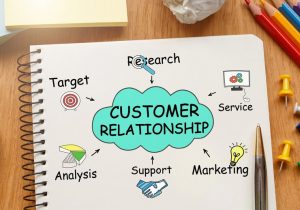 Creating a customer-centric strategy is essential for building strong relationships and enhancing customer satisfaction. Focus on understanding and meeting customer needs by collecting and analyzing customer data. This involves using tools and techniques to gather information from surveys, feedback forms, purchase history, and social media interactions. By analyzing this data, businesses can identify trends, preferences, and pain points, enabling them to tailor their products and services accordingly. Customer journey mapping is also a valuable method for visualizing the various touchpoints and interactions customers have with the brand, helping to pinpoint areas for improvement. Regularly seeking and acting on customer feedback ensures that the business remains aligned with customer expectations. By prioritizing the customer in all aspects of the business, companies can enhance loyalty, improve retention rates, and foster a positive brand image, ultimately driving long-term growth and success.
Segmentation and Targeting
 Effective segmentation and targeting are crucial for delivering personalized customer experiences. Utilize data to segment customers based on demographics, behavior, and preferences. Demographic segmentation considers factors such as age, gender, income, and education, allowing for tailored marketing messages that resonate with specific groups. Behavioral segmentation involves analyzing customer actions, such as purchase history and engagement levels, to identify high-value customers and those at risk of churn. Psychographic segmentation delves into customers’ lifestyles, values, interests, and attitudes, enabling deeper personalization. Once segmented, target each group with customized marketing efforts. Develop campaigns that address the unique needs and preferences of each segment, and choose the most effective communication channels for each group. For instance, younger customers might prefer social media and messaging apps, while older customers may favor email and phone interactions. This strategic approach ensures that marketing efforts are more relevant and impactful, enhancing customer engagement and satisfaction.
Invest in CRM Software
 Investing in advanced CRM software is vital for managing customer relationships, tracking sales, and automating marketing efforts. Choose CRM platforms that comply with Canadian data protection laws, such as PIPEDA, to ensure the secure handling of customer information. The right CRM software should be scalable, capable of growing with your business, and able to integrate seamlessly with other systems like email marketing platforms, e-commerce solutions, and customer support tools. This integration provides a comprehensive view of customer interactions across various touchpoints. Utilize CRM features to automate marketing campaigns, manage customer support, and monitor sales activities. Automated workflows can streamline repetitive tasks, while AI-driven tools enhance the accuracy of sales forecasting and customer insights. By implementing robust CRM software, businesses can improve efficiency, enhance customer service, and drive strategic planning, ultimately leading to better customer experiences and increased loyalty.
Leverage AI and Automation
 Utilizing AI-driven tools and automation can significantly enhance customer service and streamline operations. Implement chatbots to provide instant support for common inquiries, allowing customers to receive quick and accurate responses at any time. Predictive analytics, powered by AI, can analyze historical data to anticipate customer needs, preferences, and behaviors. This enables businesses to offer personalized recommendations, foresee potential issues, and proactively address them. Automation can also optimize marketing efforts by automating email campaigns, follow-up reminders, and lead nurturing processes, ensuring timely and relevant communications. By integrating AI and automation into CRM systems, businesses can improve efficiency, reduce operational costs, and enhance the overall customer experience. These technologies allow for more informed decision-making, better resource allocation, and ultimately, higher customer satisfaction and loyalty.
Engage Customers Across Multiple Channels
 Maintaining consistent and responsive communication across multiple channels is crucial for building strong customer relationships. Engage customers through social media, email, phone, and in-person interactions to ensure a seamless and unified experience. Social media platforms allow businesses to interact with customers in real-time, address inquiries, and share updates. Email communications can provide personalized offers, newsletters, and important information, keeping customers informed and engaged. Phone interactions offer a more personal touch for addressing complex issues or providing detailed support. In-person engagements, whether in-store or at events, strengthen the personal connection with customers. Ensure that messaging and branding are consistent across all channels to reinforce the company’s identity and values. Responsive communication, regardless of the platform, demonstrates that the business values its customers and is committed to addressing their needs promptly, fostering trust and loyalty.
Implement Feedback Mechanisms
 Gathering customer insights through feedback mechanisms is essential for understanding satisfaction levels and identifying areas for improvement. Implement regular surveys and polls to collect feedback on customer experiences, preferences, and suggestions. Encourage customers to leave reviews and ratings on your website, social media, and third-party review sites to gauge public sentiment. Direct feedback channels, such as email, phone, and in-person interactions, provide valuable qualitative insights. Analyze the feedback to identify common themes and trends, which can inform strategic decisions and improvements. Act on the feedback by addressing concerns, enhancing products or services, and refining processes to better meet customer needs. Demonstrating that customer feedback is valued and acted upon not only improves the customer experience but also builds trust and loyalty, as customers feel heard and appreciated.
Train Employees on CRM Best Practices
 Training employees on CRM best practices is essential for ensuring effective customer relationship management and compliance with Canadian regulations. Regularly provide comprehensive training sessions that cover the fundamentals of CRM systems, including data entry, customer interaction protocols, and the importance of maintaining accurate records. Emphasize the significance of adhering to regulations such as PIPEDA for data protection and CASL for email marketing. Training should also focus on developing customer service skills, such as active listening, empathy, and problem-solving. Use real-world scenarios to practice handling customer inquiries and complaints professionally. Additionally, provide ongoing education on new CRM features and updates, ensuring employees are proficient in using advanced tools and technologies. By equipping staff with the knowledge and skills required for effective CRM, businesses can enhance customer satisfaction, improve operational efficiency, and ensure compliance with legal requirements, ultimately fostering stronger customer relationships and loyalty.
Foster a Culture of Continuous Improvement
 Fostering a culture of continuous improvement within the organization is crucial for staying competitive and delivering exceptional customer experiences. Encourage employees to stay updated with the latest CRM trends, technologies, and best practices through regular training sessions, workshops, and access to industry publications. Promote a mindset of learning and innovation, where employees are motivated to seek out new knowledge and apply it to their work. Implement regular performance reviews and feedback sessions to identify areas for improvement and recognize achievements. Encourage employees to share their insights and suggestions for enhancing CRM practices and processes. Create an environment where experimentation and innovation are welcomed, and lessons are learned from both successes and failures. By cultivating a culture of continuous improvement, businesses can adapt to changing market conditions, optimize their CRM strategies, and consistently meet and exceed customer expectations, leading to sustained growth and success.
Maintain Accurate Customer Records
 Maintaining accurate and up-to-date customer records is fundamental for effective CRM. Regularly clean and update the customer database to ensure data reliability and accuracy. Implement data verification processes to identify and correct errors, such as duplicate entries, outdated information, and incomplete records. Use automated tools to streamline data cleaning and ensure consistency. Encourage employees to enter data accurately and promptly, and provide training on best practices for data management. Conduct periodic audits of the database to identify discrepancies and areas for improvement. Enrich customer records with additional information, such as purchase history, preferences, and interaction details, to provide a comprehensive view of each customer. Accurate data enables personalized customer interactions, informed decision-making, and efficient marketing and sales efforts. By maintaining a reliable customer database, businesses can enhance the overall customer experience, improve operational efficiency, and drive better business outcomes.
Implement High-Level Security Measures
 Implementing high-level security measures is crucial for protecting sensitive financial data and personal information in customer relationship management. Start by establishing robust security protocols, such as encryption for data in transit and at rest, to prevent unauthorized access. Use firewalls, intrusion detection systems, and regular security audits to identify and mitigate vulnerabilities. Implement strong access controls, ensuring that only authorized personnel can access sensitive information, and use multi-factor authentication for an added layer of security. Regularly update and patch software to protect against known threats. Compliance with data protection regulations, such as PIPEDA, is essential. Provide comprehensive training for employees on security best practices and the importance of protecting customer data. Develop an incident response plan to quickly address any security breaches and minimize damage. By prioritizing high-level security measures, businesses can safeguard customer trust, maintain regulatory compliance, and protect against financial and reputational risks.
Identify and Track Key Performance Indicators (KPIs)
 Identifying and tracking key performance indicators (KPIs) is essential for evaluating the success of CRM strategies and making data-driven decisions. Start by defining relevant KPIs that align with business goals, such as customer satisfaction scores, retention rates, and sales growth. Customer satisfaction scores can be measured through surveys and feedback, providing insights into the quality of customer interactions and overall experience. Retention rates indicate the effectiveness of customer loyalty strategies and the ability to maintain long-term relationships. Sales growth measures the impact of CRM on revenue generation. Use CRM software to automatically track and analyze these KPIs, providing real-time insights and reports. Regularly review KPI data to identify trends, strengths, and areas for improvement. Use this information to make informed decisions, refine CRM strategies, and allocate resources effectively. By continuously monitoring and analyzing KPIs, businesses can optimize their CRM efforts, enhance customer satisfaction, and drive sustainable growth.
Utilize Advanced Customer Analytics
 Utilizing advanced customer analytics provides valuable insights into customer behavior and preferences, guiding strategic planning and improving financial performance. Implement tools and technologies that leverage big data, machine learning, and predictive analytics to analyze vast amounts of customer data. Behavioral analysis helps understand customer actions, such as purchase history, engagement levels, and website interactions, enabling businesses to identify trends and patterns. Predictive analytics forecasts future customer behavior, such as potential churn, purchase likelihood, and product preferences, allowing for proactive measures. Use segmentation analysis to categorize customers into distinct groups based on demographics, behaviors, and psychographics, enabling more targeted marketing and personalized experiences. Customer sentiment analysis, using natural language processing, provides insights into customer opinions and emotions from reviews, feedback, and social media. Integrate these insights into strategic planning to optimize marketing campaigns, improve product offerings, and enhance customer experiences. By leveraging advanced customer analytics, businesses can make data-driven decisions, boost financial performance, and achieve long-term success.
Personalize Customer Interactions
 Personalizing customer interactions is key to enhancing engagement and satisfaction. Tailor communications and offers based on individual customer data, such as purchase history, preferences, and behavior. Use CRM software to gather and analyze this data, enabling you to create highly targeted marketing campaigns. Personalized emails, product recommendations, and exclusive offers make customers feel valued and understood. Segment customers into specific groups to further refine your messaging and offers. For instance, loyalty program members might receive special discounts, while new customers could get welcome offers. Utilize dynamic content in communications to ensure relevance to each recipient. Personal interactions, whether through customer service, social media, or in-person engagements, should reflect an understanding of the customer’s history and preferences. This approach not only increases the effectiveness of your marketing efforts but also strengthens customer loyalty, drives repeat business, and enhances the overall customer experience.
Regularly Review and Update CRM Strategies
 Regularly reviewing and updating CRM strategies is essential to stay aligned with changing market conditions and customer expectations. Conduct periodic assessments of your CRM processes and performance metrics to identify areas for improvement. Gather feedback from customers and employees to gain insights into the effectiveness of your current strategies. Analyze key performance indicators (KPIs) such as customer satisfaction scores, retention rates, and sales growth to evaluate success. Stay informed about industry trends and technological advancements to incorporate the latest best practices into your CRM approach. Adapt strategies to address evolving customer needs, preferences, and behaviors. Implement changes incrementally and monitor their impact to ensure they achieve desired outcomes. Encourage a culture of continuous improvement within your team, fostering innovation and agility. By regularly updating CRM strategies, businesses can maintain relevance, enhance customer experiences, and achieve sustainable growth in a dynamic market environment.
Final Thoughts
 Effective Customer Relationship Management (CRM) is vital for growing companies in Canada to enhance customer satisfaction and loyalty while ensuring compliance with regulatory standards. By following these 15 best practices, businesses can develop robust CRM strategies that incorporate advanced technologies, data-driven decision-making, and personalized customer interactions. Implementing these practices will not only streamline operations and improve financial performance but also foster long-term relationships with customers. Embracing these CRM best practices positions companies for sustainable growth and success in the competitive Canadian market. Utilizing scalable solutions and maintaining high-level security for sensitive financial data can also improve financial performance and produce investor-ready reports. By focusing on these key areas, businesses can build a robust supply chain that supports long-term success.
Reach out today to see how our expert CRM solutions can boost your customer satisfaction, keep you compliant, and fuel your business growth.
[gravityform id=”4″ title=”true” description=”true” ajax=”true”]